
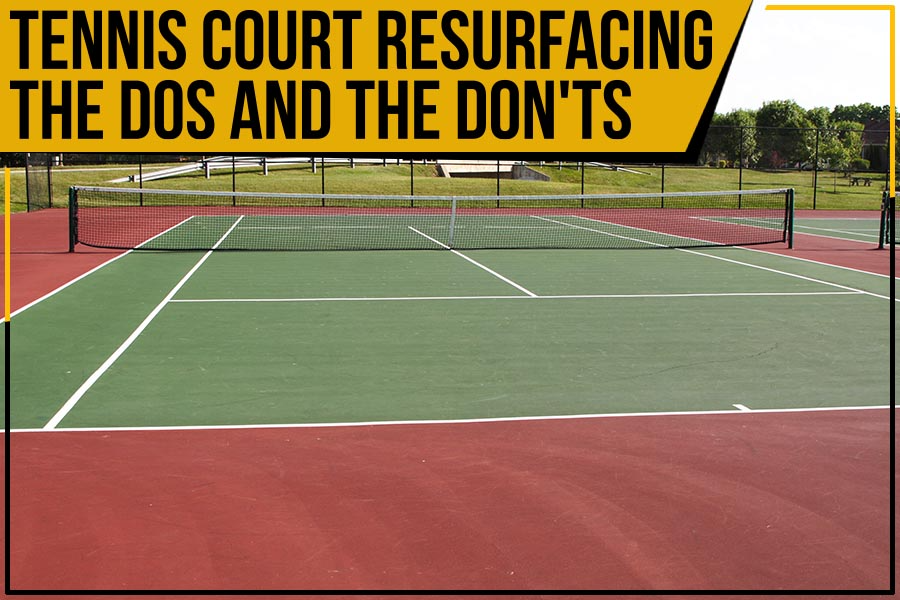
Tennis Court Resurfacing: The Dos And The Don’ts
Key Takeaways:
– Resurfacing your tennis court is an integral part of its maintenance.
– Make sure to hire a reputable contractor who uses high-quality materials
– Hiring a reputable asphalt contractor is key to tennis court resurfacing
– Tennis court resurfacing can prolong the life of your investment!
– High-quality materials are essential for tennis court resurfacing
– A few smaller steps can be taken to prevent tennis court resurfacing from being necessary often!
If you have a tennis or other sports court, you know that the surface begins to wear down and needs resurfacing or replacement with time. But what are the best options for sport court surfacing? And what are some of the Dos and Don’ts when it comes to maintaining your sports court?
At PowerSurge Plus LLC, we specialize in tennis court resurfacing and striping. We understand the challenges of having a tennis court or any other type of sports court in top shape. In this blog post, we’ll share top tips on maintaining your court well and some of the things you should avoid. Let’s begin.
Sports/Tennis Court Surfacing Explained
So what does it mean when we say surfacing or resurfacing of a tennis court? In short, it is applying a new top layer to an existing tennis court. Let’s look at some reasons why resurfacing becomes a necessity:
The current surface is beginning to show wear and tear
With time, your tennis court will start to show wear and tear. This is perfectly normal and expected with any court surface. However, suppose the deterioration is impacting the quality of your game. In that case, it might be the perfect time to consider resurfacing.
You want to change the type of surface.
Maybe you’re unhappy with how your current tennis court surface is playing. Or, perhaps you’re looking to change the type of surface altogether (e.g., from clay to hard court). In either case, resurfacing is the best way to achieve this.
The surface has been damaged.
In some cases, the tennis court surface itself can become damaged. The damage occurs due to severe weather conditions or careless use (e.g., parking a car on the court). If the damage is significant, resurfacing may be the only way to repair it.
The court is too old.
Even if the surface is in good condition, the underlying asphalt or concrete can degrade over time. This is especially true if the court wasn’t appropriately constructed in the first place. Resurfacing can help to extend the life of an old court.
The DOs:
Hire a professional company
Research different tennis court resurfacing companies and ask for quotes. You must be sure that the company you hire comes highly recommended and has a good reputation. Such a small, simple step can save you many headaches down the road.
Choose the correct type of surface.
The three most common tennis court surfaces are acrylic, clay, and grass. You must consider your region’s climate, playing style, and budget, each of which can contribute majorly to your sports court maintenance in the coming time.
Use high-quality materials
Some asphalt contractors in Levittown may use lower-quality materials to save money. However, sticking with a reputable and trusted contractor will save you from costly repairs down the line. The paradox is that, in the short term, it may seem like you’re spending more money. But you’ll be saving more if you look at the bigger picture.
Research in advance
Learn about all your potential options in tennis court resurfacing before making a decision. Discuss with your contractor what your specific needs are and what shall be your best course of action. The benefits and drawbacks of all resurfacing types should be considered before you’re ultimately ready to make a decision.
Prepare the surface
Before resurfacing occurs, the old surface needs to be removed entirely. This process is called “stripping” and is essential to create a smooth, even surface for the new layer. Failing to prepare the surface properly will cause the new resurfacing not to adhere correctly and could cause problems down the road.
Pay attention to detail.
Even the slightest imperfections can cause significant problems down the road. Make sure your asphalt contractor takes their time and pays attention to detail, especially in the freezing winters of Levittown, PA.
The DON’Ts:
Be frugal
It’s your tennis court we’re talking about, and you want it to last. Hiring a cheap, inexperienced contractor will only cost you more in the long run. We have seen many people who, in their wish to save money, hired someone who did a terrible job and then had to call us to fix it.
Forget about the base.
The base is the most crucial part of your sports court and should never be ignored. A well-constructed base will extend the life of your court and make resurfacing a breeze. Having a sturdy base helps maintain the maintenance, saving your space from unnecessary wear.
Wait too long
Tennis courts are like any other surface and need to be resurfaced every few years. The sooner you catch problems, the easier and cheaper they are to fix. In contrast, waiting too long will exacerbate the issues, making repairs more expensive and resurfacing a more daunting task.
Use the wrong products.
Not knowing what tennis court resurfacing products are available can be a costly mistake. Incorrectly using the wrong products on your court will only worsen any damage and make it more difficult (and expensive) to resurface later.
Ending Note:
Remember that resurfacing the tennis court is essential to keep your court looking and playing its best. Use the right products and trust the service of a reputable asphalt contractor to get the job done right.
Asphalt Contractor in Levittown, PA
A highly reputable asphalt contractor is critical in tennis court resurfacing. While not exceeding your budget, you want to ensure the job is done right to protect your investment. At PowerSurge Plus LLC, serving Levittown, PA, we specialize in sports court surfacing and striping, using only the highest quality materials. Our efficient team will ensure that your sports court maintains its charm and appeal for years to come!
Get a free quote today!
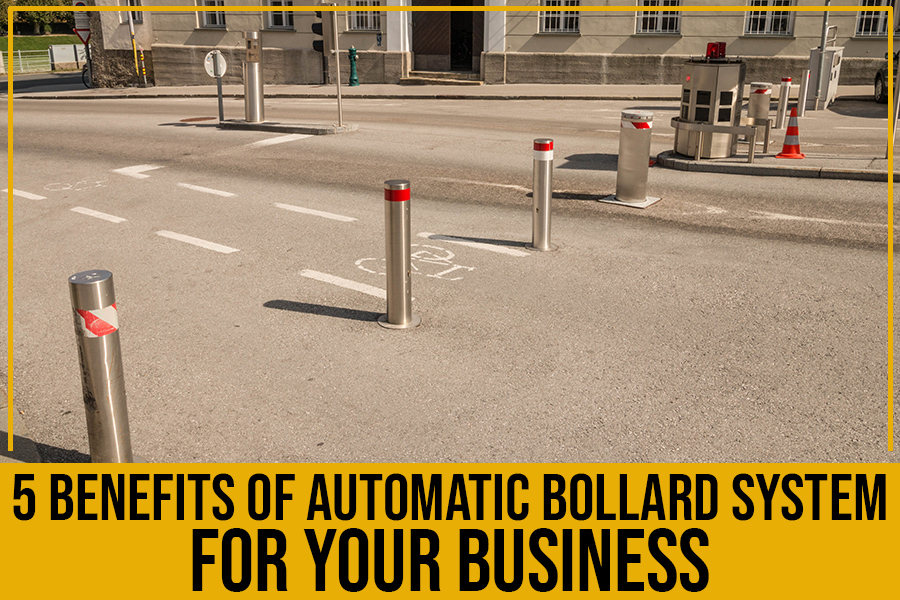
A bollard is a steel post that divides the road into discrete lanes for parking, traffic, and pedestrians. Automatic bollards block the way for security vehicles to enter a specific location that has been closed off to traffic at a given time.
You might have noticed automatic bollards being deployed on roadways or commercial buildings. Whatever the case, the property owners and area residents enjoy these cutting-edge devices’ benefits.
In this blog post, PowerSurge Plus LLC will discuss a few reasons why an automatic bollard system might be essential for your business.
Benefit 01: Automatic Bollards Enhance Traffic Control
The ability to regulate and control traffic flow is one of the automatic bollard system’s key benefits. Automatic bollards can block off certain areas or direct traffic to a specific lane. This is especially useful if you want to create separate lanes for parking, pedestrians, and vehicles.
Automatic bollards can also be used to create a barrier between a public area and a private area. For example, if you have a business that deals with sensitive information, you might want to consider installing an automatic bollard system to keep unauthorized people from entering the premises.
Benefit 02: Automatic Bollards Can Enhance the Aesthetics of Your Property
Another benefit of automatic bollards is that they can enhance the aesthetics of your property. Bollards come in a variety of materials, colors, and styles. You can choose bollards that match the architecture of your building or go for a more modern look. Automatic bollards can also create a unique and stylish design for your property.
Benefit 03: Automatic Bollards Are Easy To Install and Maintain
Automatic bollards are easy to install and low maintenance, so you won’t have to spend much on repairs and maintenance. Bollards can also be used in various applications, such as parking lots, driveways, sidewalks, etc.
Benefit 04: Automatic Bollards Can Increase the Safety of Your Property
Automatic bollards can also increase the safety of your property. Bollards can be used to create a physical barrier between pedestrians and vehicles. You can avoid accidents and injuries by installing them in your commercial area. Bollards can also be used to deter crime. They can make it more difficult for criminals to access your property, which can help to reduce the chances of theft or vandalism.
Benefit 05: Peace of Mind for the Owners
Last but not least, combining all the advantages above enables you to maximize the additional peace of mind your investment in automated bollards offers.
If the above benefits have persuaded you to install automatic bollards at your business, choose a professional contractor for the job.
PowerSurge Plus LLC provides expert installation services for bollards and signs in West Chester, PA.
We know exactly where (height and position) and how to install them to enhance usefulness because we are well-versed in the most recent industry practices (colors, materials, styles, etc.).
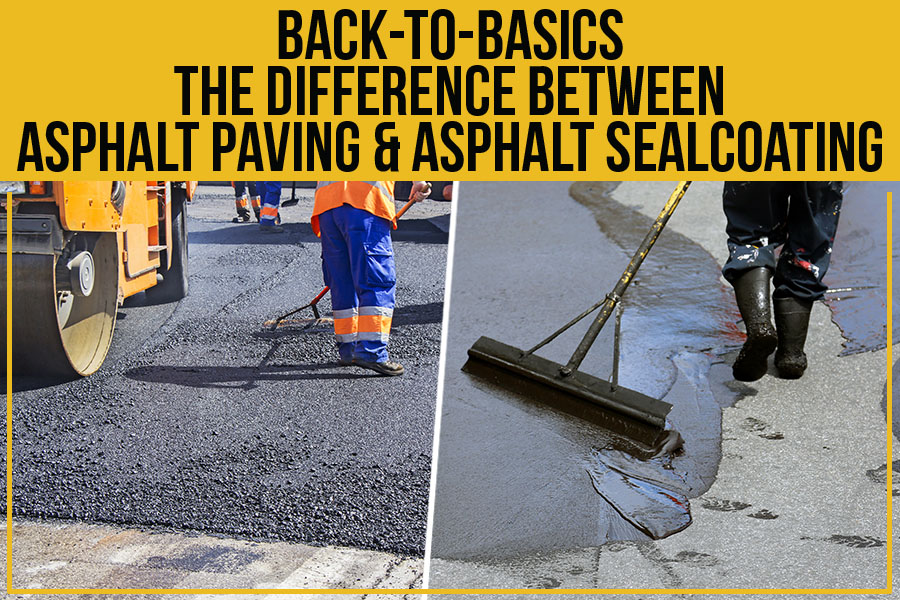
Asphalt paving and sealcoating might seem like the same thing to many people, but in reality, they are very different. Asphalt paving is a process that involves applying a layer of new asphalt to an existing surface. In contrast, asphalt sealcoating adds a protective layer to the asphalt surface.
This blog post will go over those differences and why they matter for your driveway or parking lot. So, if you’re curious about asphalt paving and seal coating, keep reading!
The Difference Between Asphalt Paving & Asphalt Sealcoating
While asphalt paving and sealcoating are sometimes used interchangeably, each has a distinct function.
Asphalt Paving
- This is a more permanent solution where a new layer of asphalt is laid over the existing surface. This process can be used to repair damaged areas or to add extra protection against wear and tear.
- Asphalt paving is used to repair or replace damaged or old asphalt driveways/ parking lots.
- It should be done every 5-7 years, depending on the severity of weather conditions in your area.
- Only professionals should do paving because it requires heavy equipment and experience.
Asphalt Sealcoating
- This is a process in which a protective layer of asphalt is applied to the pavement’s surface. This layer helps prevent water and UV damage and also inhibits the growth of weeds and other vegetation.
- It should be applied every 2-3 years, depending on the traffic the surface sees.
- Though amateurs can do sealcoating, we recommend hiring a professional for the best results.
- You may seal minor cracks or flaws with seal coating; however, seal coating may not cover major damage like potholes.
Paving vs. Sealcoating: Which Is Better for Me?
Asphalt paving is used for new construction projects or major repairs. This can be a great option if you’re looking to make a significant improvement to your property. However, it’s important to note that paving is a fairly invasive process. It can be disruptive and mess up your landscaping, so it’s not always the best option for minor repairs.
On the other hand, asphalt sealcoating is much less invasive. It involves applying a protective layer of asphalt over an existing surface. This can help prolong your pavement’s life and prevent damage from weathering, ultraviolet rays, and more. Seal coating is a great option for routine maintenance and small repairs.
So, when should you use asphalt paving & asphalt sealcoating? It depends on your needs and preferences. Paving may be the right choice if you’re looking for a major improvement. But sealcoating is probably the way to go if you’re looking to extend the life of your existing asphalt.
Power Surge Plus LLC is an asphalt paving company in Allentown, PA that offers premium asphalt paving and sealcoating solutions for residential & commercial surfaces. They provide expert services and guidance based on the project’s urgency, budget (or funds available), and local weather conditions.
Our services are fairly priced; get your free estimate now!
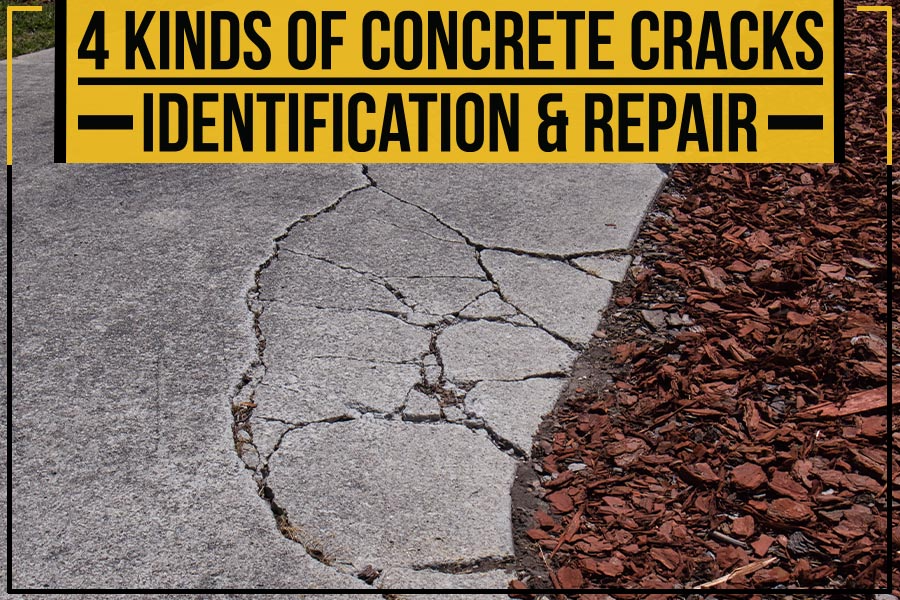
Concrete is a durable material, but it is not immune to damage. One common problem that can occur with concrete is cracking. There are many types of cracks, each with a different flaw trigger. If you know how to detect and repair the cracks, you can keep your concrete looking flawless and prevent further damage to the curb appeal!
PowerSurge Plus LLC will discuss the four most common concrete cracks and what they mean. We’ll also provide tips for the crack filling to repair the damage.
1. Shrinkage Cracks
Concrete is indestructible, but only if it is installed well. As it cures, it needs a degree of hydration to set; with uneven surface temperatures disrupting the curing, the concrete forms shrinkage cracks as it dries. They are usually small and only run through the top layer of concrete. They’re not typically a structural concern but can be unsightly with repeated freeze-thaw cycles.
Use caulk or asphalt sealant for crack filling to repair smaller gaps. You may need to use an asphalt or concrete patching compound for significant damage – but only over concrete surfaces.
2. Settlement Cracks
Soil stability & grading ensures evenly compacted surfaces to pave over. When shady contractors skip this step, or the land is naturally prone to geologic shifts, the soil can subside or shift over time. The paved concrete surface on the top also shifts and cracks.
It can also happen for various reasons, including poor drainage, erosion, or tree roots growing underneath the slab. These cracks are usually larger than shrinkage cracks and can be a structural concern.
You’ll need first to stabilize the ground underneath the slab to repair a settlement crack. It can be done by installing drainage around the perimeter of the concrete or by injecting polyurethane grout into the soil underneath the slab. Once the ground is stabilized, crack filling is done with asphalt sealant or concrete patching compound.
4. Expansion Cracks
These cracks occur when the concrete expands and contracts due to temperature changes without any allowance for expansion joints. These cracks are usually small and only run through the top layer of concrete. Use caulk or sealant for crack filling to repair the damage. You may need to use a patching compound if the crack is large.
If the damage is extensive, then a replacement patch & saw cuts as expansion joints are ideal for releasing the stresses in the pavement.
4. Heaving Cracks
When concrete is paved over moist soils in usually temperate climates, the temperature shifts can cause the soil to experience freeze-thaw cycles. The moisture in the soil expands as the water freezes and then subsides during the day. The gradual shifting can crack entire concrete slabs over time.
Ideal solutions are to repave or replace the slab and then apply a sealer.
Ending Note
If you’re seeing any of these five common concrete cracks in your driveway, patio, or sidewalk, don’t panic. With the proper knowledge and repair techniques, you can fix them and prevent further damage.
PowerSurge Plus LLC, serving Cherry Hill, NJ, is here to help. We’ll discuss each type of crack in detail and provide tips on how to fill and repair them. We offer free estimates for our concrete paving services to help you know what it will cost to get your concrete as good as new again. Contact us today to get started!
5 Signs That Your Business Needs Lighted Bollards
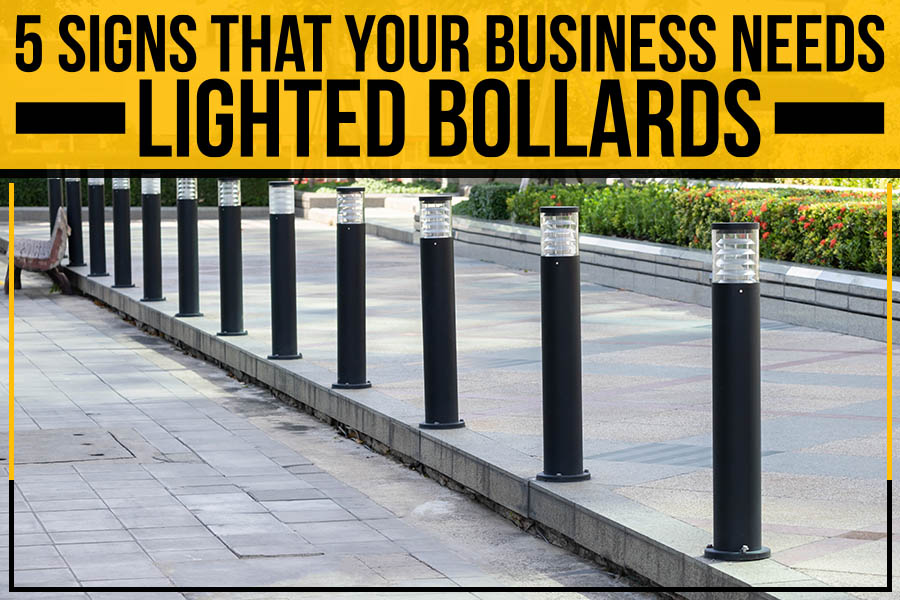
It’s no secret that businesses must take safety precautions to protect their customers, employees, and property. One such precaution is installing lighted bollards. Lighted bollards can provide a visual warning to pedestrians and drivers, directing them away from dangerous or off-limits areas.
In this blog post by PowerSurge Plus LLC, we’ll discuss lighted bollards in detail!
What Are Lighted Bollards?
Lighted bollards are posts installed in the ground around a property. They are typically made of concrete, metal, or plastic and can be either permanent or temporary. Bollards can mark a property’s boundaries, create a barrier around a building, or direct traffic flow. Many commercial establishments choose to install lighted bollards because they provide an extra level of safety and security.
There are many different types of lighted bollards available on the market. You can choose from solar-powered bollards, LED bollards, or even bollards with built-in security cameras. The type of bollard you choose will depend on your specific needs and budget.
Signs that Your Business Needs Lighted Bollards
If you’re not sure whether your business could benefit from lighted bollards, here are a few signs that they might be a good investment:
1. You Have a Lot of Pedestrians on Your Property
Protecting pedestrians from hazards is essential if your business is located where there is a lot of foot traffic. Lighted bollards can be used to provide a safe walking path for pedestrians and to direct them away from areas that are off-limits or dangerous.
2. You Have Vehicles on Your Property
If you have several vehicles on your property, it’s crucial to take measures to protect them from damage or theft. Lighted bollards can be used to create a physical barrier between vehicles and potential hazards. They can also deter drivers from parking in areas that may lead to damage or block pedestrian walkways.
3. You Want to Deter Crime
No business is immune to crime, but there are steps you can take to deter would-be criminals from targeting your property. Lighted bollards can make it more difficult for criminals to access your property after hours.
4. You Have Increased Traffic
If you have recently experienced an increase in traffic, it is important to ensure everyone is safe. Installing lighted bollards can help direct traffic and keep pedestrians and drivers safe.
5. You Want to Add to the Aesthetics of Your Property
In addition to their functional benefits, lighted bollards can also improve the aesthetics of your property. They can provide a touch of class and sophistication while also providing a measure of safety and security.
Conclusion
Bollards are a great way to improve safety and security, and they can be customized to meet the specific needs of your business. They have been proven to be very useful for businesses.
You need to contact an experienced company to discuss your options if you’re considering installing lighted bollards at your business.
When it comes to reliable lighted bollard installation, PowerSurge Plus LLC is perfect for the job. We serve Philadelphia, PA, and take pride in our expertise in Bollard/ Bumper Blocks & Sign Installation at affordable rates. We take customer satisfaction very seriously and work every day to improve our services!
Asphalt Maintenance & Repair: 3 Do’s And Don’ts
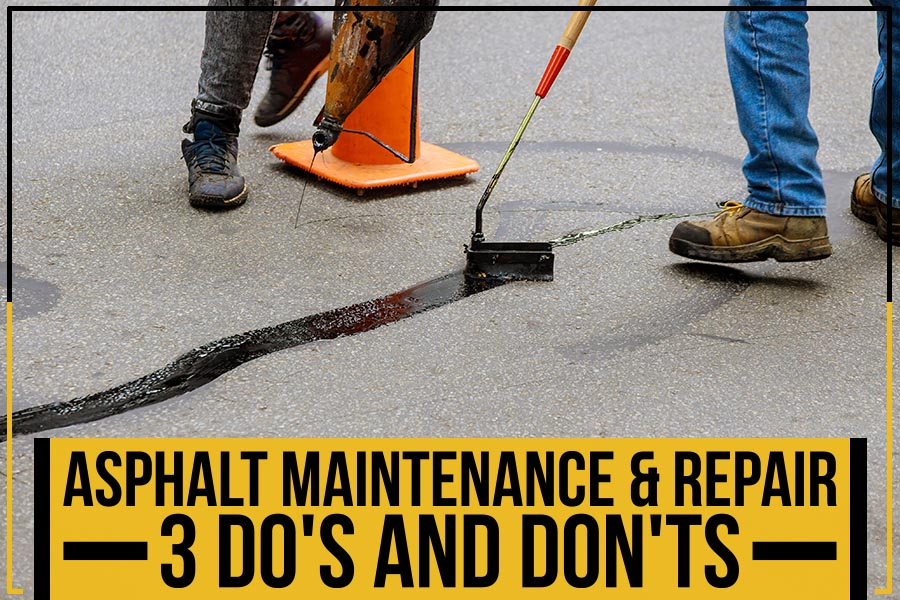
Asphalt is a common material for driveways and parking lots because it is durable, easy to maintain, and looks good. However, asphalt requires regular maintenance to maintain good condition and prevent costly repairs.
In this blog post, PowerSurge Plus LLC will discuss some dos and don’ts of asphalt maintenance and repair. Follow these tips to keep your asphalt looking great and lasting for years!
Don’t: Allow Heavy Equipment.
Heavy equipment can also damage your asphalt. If you have construction projects or large deliveries, notify your asphalt contractor. They can take measures to protect your pavement and minimize the impact of heavy equipment.
If you must have large trucks on your asphalt, you might choose to add a concrete pad where they frequently go.
Do: Drive with Care
Driving with care is one of the best ways to extend the lifespan of your asphalt. Avoid excessive speed, hard braking, and sharp turns. These activities can damage the surface of your pavement and lead to cracks and potholes.
Don’t: Forget to sweep your asphalt driveway at least once a year.
Sweeping your asphalt improves the look of the surface by removing loose particles. You may also check your asphalt for depressions and fractures that can point to early pavement deterioration. You may take preventative measures like crack filling and seal coating as soon as you notice symptoms of deterioration.
Do: Keep Up on Maintenance
It’s crucial to maintain your asphalt regularly. This includes crack filling and seal coating. Crack filling is essential because it prevents water from seeping into the cracks and causing damage. Sealcoating your asphalt every three to five years will help protect it from the sun and weather damage.
Don’t: Use Sprinklers.
While it might seem like a good and easy option to use sprinklers to keep your asphalt clean, it is damaging. If water seeps into your pavement, the base course will weaken, resulting in depressions that eventually become potholes.
Do: Pick the Right Contractor
Do your homework before choosing a contractor for asphalt maintenance or repair. Get multiple bids and read reviews. Ask about their experience and what type of asphalt they will use. The cheapest offer is not always a good option. You want to ensure you are getting a quality job that will last.
Hiring a professional asphalt contractor is the best way to ensure your asphalt is properly maintained and repaired. They have the experience and knowledge to do the job right.
When it comes to asphalt maintenance and repair, following these dos and don’ts will help extend the life of your pavement. Doing these things will also save you money in the long run and keep your asphalt looking great for years to come.
Want commercial or residential asphalt maintenance and repair?
Don’t worry! We handle asphalt projects at PowerSurge Plus LLC in Montgomeryville, PA. We provide competitive maintenance services utilizing the most effective methods to reduce downtime and inconvenience.
Our experts will assist you and demonstrate the level of attention and quality work we offer.
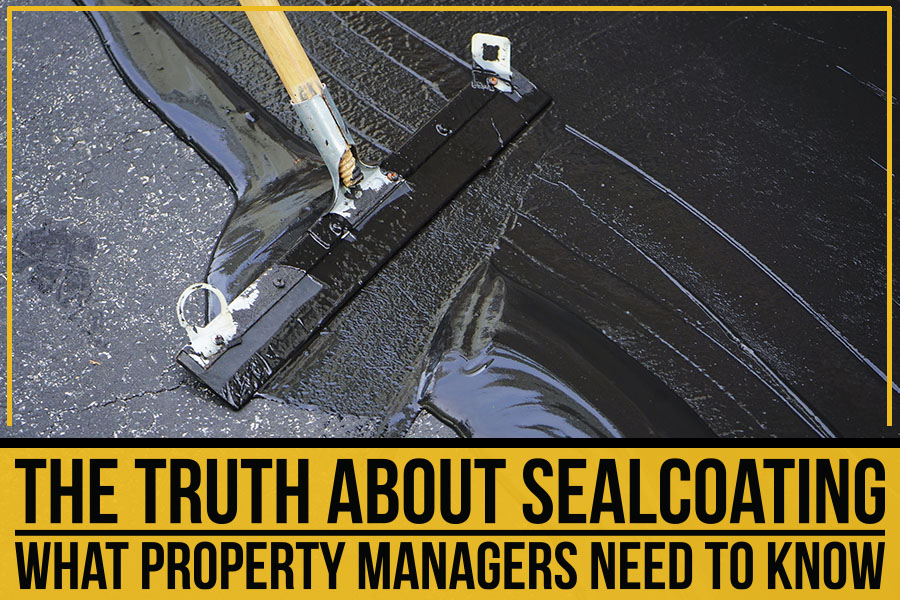
If you are a property manager, you know the importance of keeping your property looking its best. One way to execute this is by sealcoating your asphalt surfaces regularly.
Sealcoating helps protect your asphalt from weathering and wear and tear. It can also refine the appearance of your property. However, there are some things that you need to know about sealcoating before you decide whether or not to have it done.
In this blog post, PowerSurge Plus LLC will discuss some of the most critical facts about sealcoating that every property manager should know!
No. 1: Fights Fading
One of the main perks of sealcoating is that it helps protect your asphalt from fading and oxidation. UV rays from the sun, stagnant water, and air pollution can all cause asphalt to fade and become discolored.
Sealcoating helps create a barrier between your asphalt and the elements, which will help keep it looking new for longer. Once applied, it restores the original color of asphalt and gives it a fresh, new appearance.
No. 2: Durable Destiny
Sealcoating asphalt is one of the most cost-effective ways to maintain and prolong its lifespan. By sealcoating, you are essentially giving your asphalt a protective layer that will help prevent damage from weathering, water, oil, and gas leaks.
These advantages make sealcoating one of the best investments a property owner can make. You’ll be able to preserve your asphalt, save money in the long run, and extend its lifespan.
No. 3: Cracked Question
Although sealcoating goes a long way to prevent asphalt cracking, it’s important to note that it cannot and does not fill in cracks that have already formed.
This is where asphalt repair comes in. Asphalt repair is filling in existing cracks to prevent further damage and keep your asphalt looking its best. Cracks can form for various reasons, including weathering, water damage, tree roots, and more.
Sealcoating is a preventative measure that will help you avoid the need for asphalt repair. Still, it’s essential to understand the roles of both asphalt maintenance options.
No. 4: Melting in Minutes
In the colder months, you can expect any ice or snow on your asphalt to melt quickly. That’s because asphalt is dark material, and it absorbs heat from the sun more efficiently than lighter-colored materials.
Sealcoating helps trap this heat beneath the surface of the asphalt, accelerating the melting process and shielding the asphalt from the water penetration and freeze-thaw cycles that can cause cracks and potholes.
The Gist
As you can see, sealcoating is a vital asphalt maintenance step, especially in areas that experience cold winters.
At PowerSurge Plus LLC, we offer reliable sealcoating services in Cherry Hill, NJ. Our mission is to help property managers keep their asphalt in top condition. Don’t hesitate to reach out to us for all your sealcoating needs.
Exploring The Seal Coating Best Practices
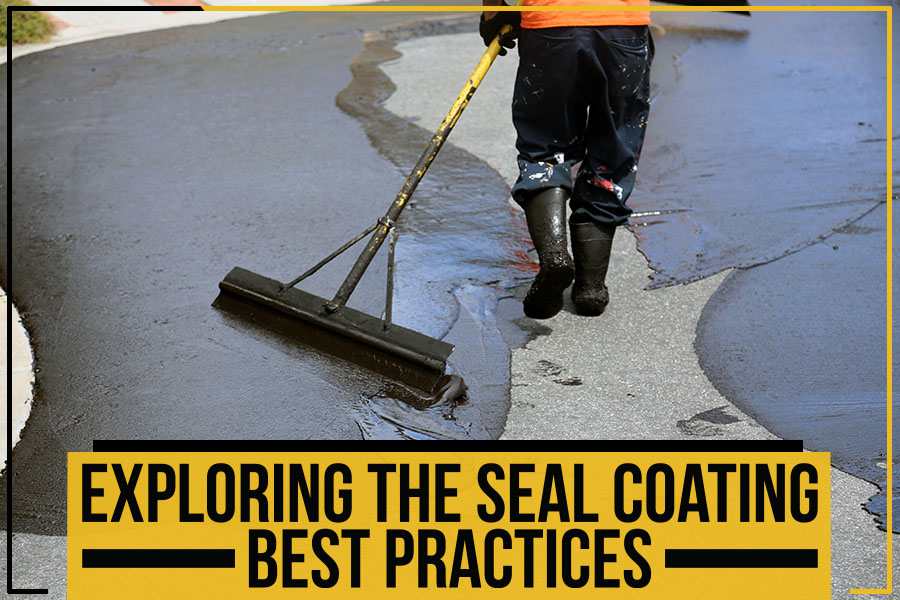
If you own or run a business, you know that your property’s exterior is essential. It is the first thing customers see when they arrive, and it has the power to build or destroy their opinion of your business. That is why it is critical to maintaining your property’s appearance.
One way to do this is by seal coating your pavement. It helps protect your pavement from weathering and fading and can also help improve the appearance of your property.
In this blog post, PowerSurge Plus will explore the best practices of seal coating so that you can make an informed decision about whether or not this service is right for you!
Clean and prepare the surface properly:
Ensure the asphalt surface is clean to ensure the seal coat adheres nicely. Dirt, aggregates, stones, oil spills, and grease can all cause the asphalt sealing to fail.
Trim any vegetation bordering the asphalt surface before you begin seal coating. Grass can get stuck in your sealer and cause ugly stains.
Do a thorough assessment for cracks and potholes. Is there any evidence of water leaking through the gaps, such as unexplained water pools or clay streaks? If that’s the case, it’s a sign of inadequate drainage. Coatings will eventually fail in such regions regardless of how often you go back to try to address the situation.
Use the appropriate sealer:
Seal coats come in various forms, including coal tar emulsion, asphalt emulsion, oil-based, fast-drying, and acrylic. Each of these varieties has advantages and disadvantages. When selecting a product to use, keep these points in mind. The coal tar emulsion is the most often utilized because of its durability and price.
Use the right mixture:
Follow the manufacturer’s recommended mix, coverage rate, and coat count. Any variation, such as utilizing a watered-down mix or “black water,” might result in poor outcomes. Before applying the mixture, make sure it’s well mixed. To create a long-lasting impact, choose high-quality materials.
Use two coat process:
Apply the first coat using a squeegee or a broom. This procedure ensures that the sealer substance is correctly applied to the surface.
After the first coat has been thoroughly dried, a second layer can be sprayed.
It’s critical to provide enough time for curing. It’s important to avoid allowing traffic on it in between coatings.
Spraying a second coat helps achieve a smooth and uniform finish that is both aesthetically pleasing and long-lasting.
Stay patient:
In ideal hot and dry circumstances, seal coat materials cure rapidly; nevertheless, colder temperatures and high humidity lengthen drying time. All seal coat projects should be allowed to dry for a minimum of 24-36 hours before allowing traffic back on them or reapplying line striping.
When is the best time to sealcoat?
PowerSurge Plus experts suggest seal coating at least one to two years following the first asphalt treatment. This permits the asphalt to cure correctly and the outermost layer to wear down. Sealcoating should be done every two to three years.
Do you want your parking lot, driveway, or any other commercial or residential property in Philadelphia, PA, to be seal coated by experts who appreciate the value of a well-kept and long-lasting pavement? For a high-quality yet reasonably priced quotation, get a quote today!
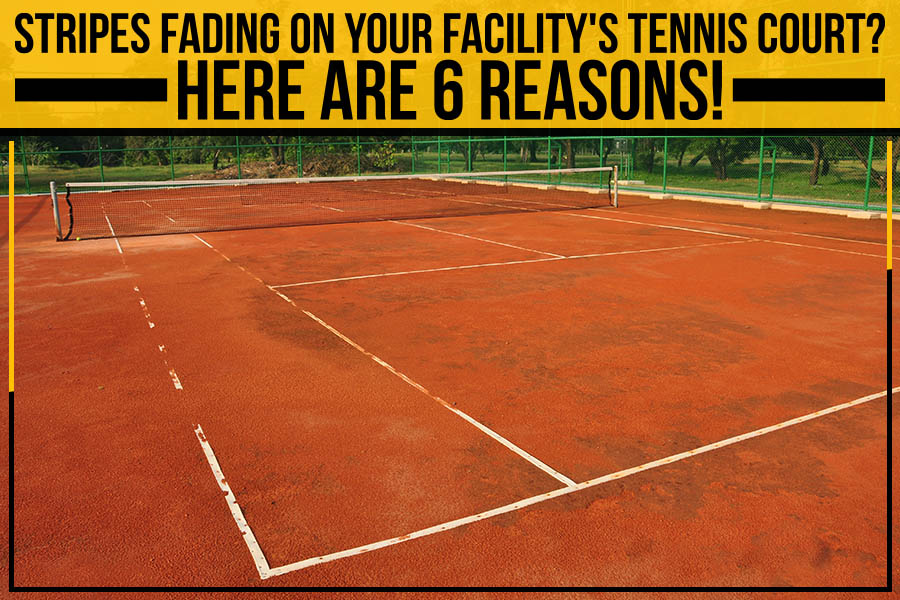
There’s nothing as therapeutic as playing a game of tennis on a court with pristine white stripes. Unfortunately, those stripes can start to fade over time, and when that happens, it’s definitely not as pretty to look at. If you’re dealing with faded stripes on your tennis court, don’t worry, PowerSurge Plus LLC gives you six reasons why it might be happening!
1. You Have Used the Court Wholeheartedly
Fading stripes on your tennis court signify that you have used your tennis court wholeheartedly. Friction due to the footwork of your game can cause wear and tear on the surface. As a result, you will see visible signs of fading stripes on your court.
2. The Paint was of Low Quality
Whether you painted the stripes yourself or hired someone else, fading lines can signal low-quality paint. To identify this, recall how long it has been since you have gotten the job done. If it hasn’t been too long, then there’s a strong possibility that a substandard product was used for striping your tennis court.
3. The Surface Was Not Prepared Adequately
Preparation before the striping is one of the essential steps of the process. If you avoid this crucial step, it will cause the paint to fade quickly. The surface needs to be squeaky clean and dry before any painting can occur.
4. You Did Not Hire a Professional
Painting stripes on a tennis court is not an easy DIY task, and yet, some people commit the mistake of taking it upon themselves to get the job done.
A professional company has ample experience carrying out each task with ultra-precision. The reason that your tennis court stripes are fading could be improper methods and techniques used while painting the stripes.
5. Exposure to Elements
Outdoor tennis courts are constantly exposed to the sun and rain. Over time, the heat and excess moisture can cause the paint to fade. If you live in an area with high humidity, it can also affect how long your stripes last.
In areas observing extreme weather, such as Cherry Hill, NJ, where summer is warm and humid and winters cold and snowy, the chances of stripe fading get even higher.
6. It Has Run its Course
Some truths are more brutal to acknowledge. Even if you take care of your court and it’s in a shaded area, there comes a time when the paint starts to fade and chip. Trace back to how long it has been since you last painted the court. If it has been more than a few years, it might be time for a new coat of paint.
If the sight of your tennis court with fading stripes is unbearable to you, we recommend that you hire professionals for a repaint. And what better option in Cherry Hills, NJ, than PowerSurge Plus LLC. We offer a wide variety of services to keep your court looking amazing. Not only do we provide top-grade sport court striping, but we also do sport court surfacing, among other services. Contact us today for a free quote!
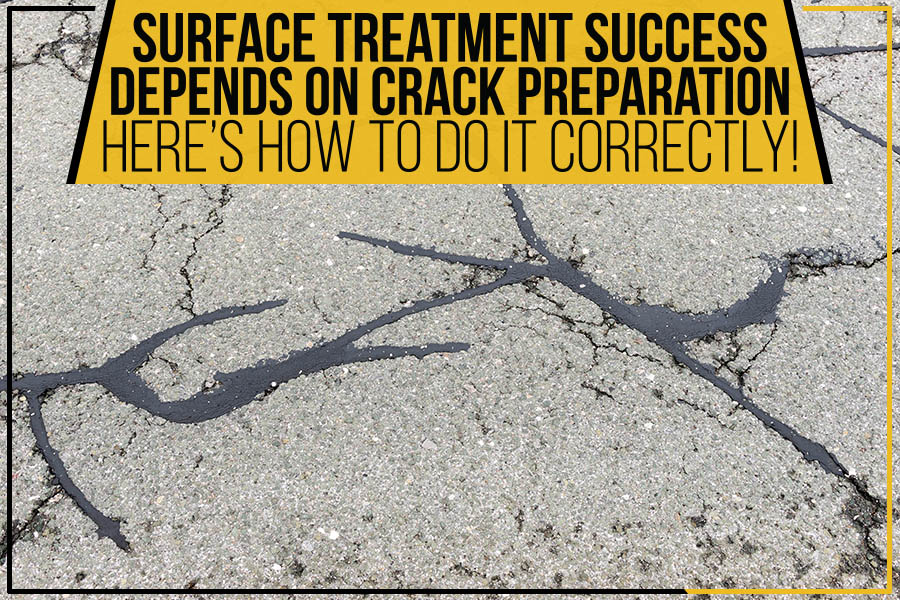
Are you looking for a surface treatment that will last? If so, you need to ensure that the crack preparation is done correctly. Many people mistake not preparing the surface properly, which leads to problems down the road. In this blog post, PowerSurge Plus LLC will discuss how to prepare the surface correctly to get the most out of your surface treatment!
How do cracks affect the surface treatment?
Pavement overlays and preservation treatments are often used to restore surface course qualities such as smoothness, friction, and aesthetics or give structural support to an existing pavement.
However, suppose there is a crack on the existing pavement. In that case, these faults will frequently occur, resulting in premature pavement collapse in the form of cracks and deformations.
To extend the usable life of an overlay, you should hire a professional to fill, rebuild or seal the failing areas of existing pavements.
What to do with cracks?
Crack sealing is often done using liquid asphalt, cutbacks, or emulsions. Crack sealing is perhaps the single most significant maintenance task as this preventative maintenance reduces asphalt degradation; consider a crack to be a scrape on your skin. It becomes infected and spreads if left untreated, causing a much bigger problem.
Where can you do crack sealing?
Crack sealing keeps a securely sealed crack only as long as the pavement is immobile and structurally stable. It is necessary to reseal your surface every year, especially in high-temperature conditions where expansion and contraction occur. Sealing and filling should only be done on dry surfaces and when the temperature is above 40 degrees Fahrenheit. Colder temperatures cause the pavement to contract, allowing the crack to expand and fill correctly. Traffic should be avoided on the sealed fractures until the sealant has dried.
How does crack sealing work?
It includes routing, a technique performed before cracks are sealed. Routing is done with a machine that extends the cracks to 14″ wide, creating a reservoir for the rubberized crack sealer to sit in. Workers wipe out the fissures to provide the best possible adhesion.
The above procedure guarantees that the rubber thoroughly penetrates the fracture and adheres to the existing pavement. In comparison to inserting rubber directly into existing, non-routed fractures, it helps establish a waterproof barrier to prevent leaks.
Other methods:
If the existing pavement has many fine cracks but is still structurally sound, you can apply a general bituminous surface treatment (BST) or slurry seal rather than filling each crack. It is a more cost-effective method.
Excessive crack sealing should be avoided. Other treatments, such as thicker overlays or milling, interlayer or surface treatments in combination with an overlay, may be more suited if the sealant quantity is larger than 5,000 lbs. per lane mile.
PowerSurge Plus LLC is a professional asphalt repair company in Philadelphia, PA; we provide timely and effective services to prevent pavement degradation from worsening, hence avoiding surface pavement breakdown and costly repairs.
Connect with us


- September 2026
- August 2026
- June 2026
- May 2026
- April 2026
- March 2026
- January 2026
- December 2025
- October 2025
- September 2025
- June 2025
- May 2025
- April 2025
- March 2025
- February 2025
- January 2025
- December 2024
- October 2024
- September 2024
- August 2024
- July 2024
- June 2024
- May 2024
- April 2023
- December 2022
- November 2022
- October 2022
- September 2022
- August 2022
- July 2022
- June 2022
- May 2022
- April 2022
- March 2022
- February 2022
- January 2022
- December 2021
- November 2021
- October 2021
- September 2021
- August 2021
- July 2021
- June 2021
- May 2021
- April 2021
- March 2021
- February 2021
Archives
Full-Service Residential & Commercial Asphalt Maintenance Contractors Serving PA & The Tri-State Area Since 1998
Proudly Powered By:

Information
- P.O. Box 247,
Montgomeryville, PA 18936
Follow Us:
| Hours | |
|---|---|
| Monday | 9:00AM - 5:00PM |
| Tuesday | 9:00AM - 5:00PM |
| Wednesday | 9:00AM - 5:00PM |
| Thursday | 9:00AM - 5:00PM |
| Friday | 9:00AM - 5:00PM |
| Saturday | 9:00AM - 5:00PM |
| Sunday | Closed |