Blog / PowerSurge Plus Service

Blog

All PowerSurge Plus Service PowerSurge Plus LLC Blog Sealcoating Asphalt Repair line striping Montgomeryville Service Multi-Sport Court Surfacing Pothole Repair
driveway sealing company in Montgomeryville, PA.

How Can Suburban Property Owners Protect Their Driveways from Seasonal Wear?

For suburban property owners in Montgomeryville, PA, staying ahead on asphalt maintenance helps driveways stand up against the seasonal wear and tear we get here. Our freeze-thaw cycles, summer heat, spring rains, and fall leaf cover all take their turn hammering your pavement, but you can keep damage in check with consistent care. Protecting Your Montgomeryville, PA Driveway Inspect It more Start by getting into the habit of walking your driveway every few months and looking for things like surface fading, minor cracking, or areas where water is pooling after rain. These small clues tell you the pavement is starting to break down. Clean It Use a stiff broom or leaf blower to clear away dirt, leaves, and gravel that can trap moisture or grind into the surface over time. A quick hose-down removes oil stains or salt residue before they eat away at the binder in the asphalt. Sealcoat It We'd recommend applying a fresh sealcoat every two to three years, ideally in late spring or early fall. This coating is a shield that blocks ultraviolet rays and fills in any tiny surface voids so water can't get in. Treat It Carefully If you handle snow removal yourself in winter, stick to plastic shovels or snow blowers with rubber blades. Metal shovels can chip the surface and create entry points for future damage. When choosing de-icers, go easy on that rock salt, as it's very hard on asphalt. Safer options like calcium magnesium acetate or plain sand will give you some traction without harming the pavement as much. In hot summer weather, avoid making sharp turns or letting heavy vehicles sit in the same spot for long periods. The asphalt softens under the heat and can develop ruts or depressions. Address Seasonal Wear Winters here can bring repeated freeze-thaw cycles that pry open small cracks in your pavement and break them open into big holes. You can combat this a bit by removing snow as soon as it falls rather than letting it pack down and melt slowly. Once the melt hits, sweep away any remaining sand or salt as soon as you're able. In summer, the heat bakes the oils out of the asphalt, and the only real way to protect against this is with a fresh sealcoat. Fall is the perfect window for one last deep clean. Rake away leaves immediately, as wet leaves hold moisture against the pavement and can stain or soften it in spots. Check for any low spots where water might collect and add a bit of fill or adjust the grading if it's needed. Call Us for Quality Asphalt Maintenance Ready to stop those small openings before they grow? Contact us at PowerSurge Plus today. Our local knowledge of this region and its weather, plus our experience and flexible approach that fits around your schedule, will ensure your pavement stays in great shape year after year. We serve all of Bucks and Montgomery Counties, Philly, and the entire Jersey, Delaware, and Pennsylvania regions.

Asphalt Patch Work Contractors in Philadelphia County.

What Are the Most Durable Materials for Asphalt Patch Work in High-Traffic Areas?

Doing asphalt patch work in high-traffic areas requires using materials that can handle constant, heavy loads as well as the environmental stresses we get here in Philadelphia, PA, like temperature fluctuations. The Most Durable Materials for Asphalt Patch Work in Philadelphia, PA more 1. Hot Mix Asphalt This is a heated blend of asphalt binder and aggregates that's applied while hot. The heat lets it bond with existing pavement, and this makes the repair particularly strong. HMA is resistant to deformation under heavy traffic and is the best choice for permanent repairs. It can last 15–30 years with proper application and is less prone to cracking or rutting compared to colder alternatives. HMA highly recommended for areas with temperature fluctuations, too, as it creates a smooth, resilient surface that can also handle thermal expansion. The main downside here is that you'll need professional equipment to do a hot patch, and the project is also weather-dependent. It's best to apply it only in dry, warm conditions, meaning if you have a mid-winter emergency need, this might not be the choice. 2. Polymer-Modified Asphalt This is a specialized mix of polymers that's added to standard asphalt to enhance its properties. It offers greater flexibility, water resistance, and adhesion and gives you patches that are more resistant to cracking, weathering, and heavy loads. This material can actually extend patch life significantly over just using traditional asphalt. It's excellent for harsh environments or high-volume areas, and it reduces rutting and provides a stronger bond for the hot patch. The main drawback is cost: expect this to cost noticeably more than basic asphalt. 3. Cold Mix Asphalt with Polymer Additives This patch is a pre-mixed, room-temperature asphalt that includes polymer adhesives for better curing and bonding. It's not going to last as long as hot mixes, but, on the plus side, polymer-enhanced cold patches harden quickly and resist water and temperature changes. The best time to use this for a high-traffic area is when you are constrained by weather, as this patch offers quick fixes in any weather. It's generally less durable than hot options for extreme high-traffic and best used as a temporary or supplementary solution. When you choose your patch material, be sure to consider factors like our climate, the overall traffic volume you have to deal with, and your budget. For the most durable results in places that see a lot of traffic, we're usually going to recommend that you go with hot asphalt or even a polymer-modified option, as they are the most durable solutions and offer the best performance. However, a lot is going to depend on the weather, your budget, and the urgency of the repair. For a fast fix, a cold patch might be just the thing. Whatever your needs, call us now at PowerSurge Plus for a quote. We're full-service residential and commercial asphalt maintenance contractors who've been servicing Philadelphia, PA, and the whole tri-state area since 1998.

pothole repair in montgumary and bucks county PA.

What Is the Most Effective Method for Repairing Large Potholes in High Traffic Areas?

Potholes are the bane of drivers everywhere, but one of the most difficult things about getting them fixed is dealing with patchwork when you've got a big pothole in a high-traffic area of Philadelphia, PA. You can't just stop traffic forever: what do you do? Call us at PowerSurge Plus, where we can get that done efficiently and effectively. Most Effective Patchwork for Potholes in High-Traffic Philadelphia, PA Areas more Not all potholes come from the same issue, but when you've got a massive one and it's in a high-traffic area, there's often an underlying issue like a weak sub base or poor drainage. Full-Depth Patching with Hot Mix Asphalt Full-depth patching with a hot mix is almost always going to be the most reliable fix. That's because it's not just a bandage thrown over the top but a kind of surgical response that actually removes the damaged layers down to where you have a stable base and then rebuilds fresh layers on top. It's the industry standard because it actually addresses the root cause and gives you a strong and flexible surface that can handle traffic and weather. Cold Patching Cold patching simply isn't a great fix for high-traffic areas, and it's never recommended except in situations where you have an emergency and have to get something thrown on there as quickly as possible. A cold patch simply doesn't handle a high-traffic spot very well and will fail in a few months. However, if there's an emergency need, this could be the right choice. Mill Patching Mill patching is a bit of a compromise between a cold patch and a full-depth patch. In this case, you remove only the top layer and lay on some fresh asphalt. This is definitely a better fix than cold patching, but it is inferior to a full-depth patching. It will offer decent durability even in a high-traffic area, but only if you're talking about a surface-level pothole. The problem is that large potholes tend to be much deeper than just surface level, though not always. Sometimes a pothole is large not so much because it's deep but because it covers so much area, and in that case, ​mill patching may work well. Steps for Full-Depth Patching We'll first prepare the area by marking the pothole and cutting straight, vertical edges around it that go about a foot past the damage on all sides. Then we will excavate down until we find a sound base material. On average, this means we've got to go about 4 inches or so down. Then we will thoroughly clean out the whole, compact the subbase if it's been disturbed, apply a tack coat, and then fill the whole and compact it. Then a sealant goes around the edges to make sure water can't get in. Whether you're facing an emergency that has to be fixed today or want a long-term fix that will really hold, contact us at PowerSurge Plus in Lansdale, PA now for service anywhere in PA and the tristate area.

Philadelphia Sport Court Surfacing by PowerSurge Plus.

How to Choose the Right Surface Material for a Multi-Sport Court

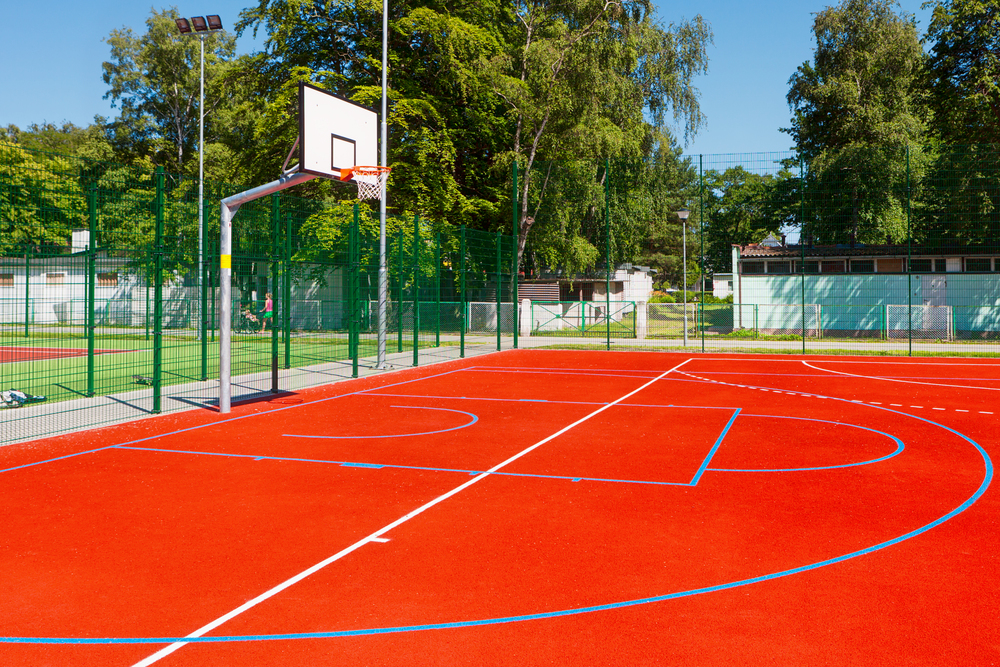
If you're putting in a sport court, one of the first hiccups you'll run across is deciding what type of surface material you need. If you're talking about a dedicated court, the answer's pretty simple; but what about your Philadelphia, PA multi-sport court surfacing? Making Sport Court Surfacing Choices for Philadelphia, PA Multi-Sport Use more 1. Player Safety Comes First The first and most important consideration is the safety of the players. If you get the proper grip on the court surface, this will minimize slips and falls, especially after rain. But you also want materials that can absorb shock well enough to protect player joints. Whatever you decide upon, always keep safety as your number one consideration. 2. Weather Matters If your court is outdoors, then it's constantly exposed to weather and extreme changes in weather. During the summer, it might be exposed to intense sunlight, and those UV rays are going to degrade the surface. You can mitigate this somewhat with the right tree cover, but what you can't really mitigate is rain or frost. So whatever material you choose, it has to be able to handle these kinds of extreme conditions if it's outdoors, and you'll also want to be sure to put in proper drainage. 3. Consider Pros and Cons of Different Materials Asphalt Asphalt is a very popular choice. It's cheap, it's flexible, and it's got good grip. On the downside, you will have to upkeep it constantly to prevent cracks, and if you don't do this, those cracks will soon become holes, and pretty soon you'll have a useless court. Concrete Concrete is another popular choice, especially for durability. It lasts, which is really its main plus, and if you put some protective layers over the top of it, you can get good grip. However, it's definitely not good for impact sports. If you anticipate players using it for impact sports regularly, then you'll want to add some cushioning layers on top. Polyurethane Polyurethane is best for indoor courts. It's not particularly suitable for the outdoors, but if your court is inside, this might be the best choice because of its shock-absorbing ability and overall durability and comfort. Artificial Turf Artificial turf is meant to replicate the feel of grass but without any of the intense care that goes into trying to keep grass growing. The downside is that artificial turf can sometimes be too grippy, and with the wrong shoes, your football, field hockey, or soccer players are likely to see more twisted ankles and damaged knees. Getting the right shoes does help deal with this, and the good news is that turf is a very cushioned surface if you're dealing with sports that involve a lot of falls. Acrylic Acrylic works both indoors and outdoors and is popular with tennis and basketball courts. It can be made in whatever color you like, it's really quite durable, and it offers decent grip and pretty good cushioning. For help in choosing wisely for your sport court, contact PowerSurge Plus in Lansdale, PA. We've been serving Philly, all of PA, and the larger tri-state area since 1998.

we do commercial sealcoating in Philadelphia PA

What Are the Advantages of Using Coal Tar Sealer for Commercial Sealcoating?

Commercial sealcoating is a critical maintenance practice that makes a huge difference to the longevity of your pavement in high-traffic areas. The process involves applying a protective layer over your asphalt to shield it, and there are various options available for doing this. Coal tar sealer is a great choice and has been a staple in the industry since before World War II. Your Philadelphia, PA sealcoating and paving experts can tell you more about application specifically to your pavement. What Are the Advantages of Using Coal Tar Sealer for Commercial Sealcoating? more It's Long-Lasting One of the primary advantages of coal tar sealer is how long it lasts. It's perfect for commercial pavement that has to endure constant stress. Coal tar forms a hard, durable film that can withstand heavy traffic without cracking or wearing away prematurely. In fact, it can often go three to five years: or even longer if you choose a premium formula. Compare that to asphalt emulsion sealers, which typically last only two to three years! This extended lifespan means you have fewer disruptions, fewer repairs, lower long-term costs, and less frequent replacement of the whole surface. It's Great Protection Another key benefit is coal tar sealer's superior resistance to everything you want to protect your pavement from. It doesn't let fuels, oils, or chemicals get through, which makes it especially valuable in commercial environments where spills can happen. Since the sealant is derived from coal tar pitch, it's outstanding at resisting fuel penetration in particular. And, unlike asphalt-based sealers, which often require putting in additives to get anything like a similar level of protection, coal tar inherently repels all these substances. Additionally, it holds up better than asphalt against ultraviolet (UV) rays. It Looks Good! Aesthetically, coal tar sealer just has a nice look. It provides a deep, rich black finish that makes parking lots look newly paved. It improves your curb appeal and potentially attracts more customers to your professional-looking space. This dark hue is more consistent and longer-lasting than the matte finish you get with asphalt emulsion sealers. This dark aesthetic doesn't compromise functionality, either. In fact, the color retention helps with heat absorption, which can help snow to melt more quickly. Coal tar sealer excels in any climate, but it's especially useful in places like Philly, where we get freeze-thaw cycles. That's because it performs better than asphalt emulsion in low temperatures by resisting cracking from expansion and contraction. With fewer cracks, you get less of the water infiltration that can rip your pavement apart. It's a Cost-Saver Coal tar sealer offers significant savings because of its longevity and reduced maintenance requirements, so though the initial application costs are about the same as with other sealants, given the longer lifespan and the way it protects, you have lowered labor and material costs over time. Our Sealcoating in Philadelphia Want to see if coal tar is the right sealant for your property? Call us today at PowerSurge Plus in Montgomeryville, PA. We serve Philly, all of PA, and the whole tri-state area.

King of Prussia Parking Lot Line Striping Service.

What Safety Standards Should Be Followed for Line Striping in Parking Lots?

If your parking lot needs line striping, it's important to work with a qualified King of Prussia, PA asphalt maintenance company that knows all the local regulations as well as federal law. There are a number of important safety standards you should keep in mind as you stripe out your parking lot. Line Striping: Safety Considerations more Plan in Advance Lines stripping is not something you just do suddenly. The first step is to design your parking lot to maximize your space while also ensuring that there's good traffic flow and you've met all the legal standards required by the ADA and local regulations. You should measure out the total area and then calculate the number of parking spaces you hope to put in. The ADA requires you to have at least one accessible space for every 25 standard spaces that you have, and if you only have one accessible space, it must be van accessible. When you talk to us, we can help you optimize your layout so that your parking stalls, driving aisles, areas for disabled parking, pedestrian walkways, and all the points for coming in and out of the parking lot are carefully designed. Angled parking is usually recommended when you expect high turnover, as it results in better traffic flow. You will also want to think through local regulations. Standard spaces in King of Prussia have to be 8.5 feet wide and 20 feet deep, though you can decrease the depth to 18 feet if you're doing angled spaces. The minimum width of your aisle has to be 10 feet for one-way parking aisles and 20 feet for two-way. Compact spaces can be just 8 feet wide and 16 feet deep, but you'll need to label them as such. If your parking lot is for a building where only those 60 and older are permitted to live, then your minimum width is 10. Choose the Right King of Prussia, PA Striping Company for Quality Techniques The next thing to consider is who you're hiring to do the job, because you want everything to be visible, durable, and not need constant touch-ups. The company you work with should offer durable and reflective paint that's designed specifically to go on asphalt or concrete and should explain to you that it's best to apply paint when the weather is between 45 and 85°F. If it's colder or warmer than that, you may have trouble with the paint properly adhering to the surface, and that means you'll just have to paint again soon. Plan for Longevity If you keep up with your parking lot, you'll save money in the long run. Every 6 to 12 months, look for cracks or peeling paint, and plan to re-stripe at least once every two years. Before you begin stripping, power wash the lot and make sure that any potholes are filled in. This will give you the best shot at getting the longest life out of your striping. For help with your parking lot in King of Prussia, or anywhere in Montgomery County call PowerSurge Plus. We've served PA and the tri-state area since 1998.

How Often Should Parking Lot Lines in Philadelphia, PA, Be Repainted for Optimal Visibility?

Parking lot lines, stripes, and markings are important because they provide directions for pedestrians and drivers within the lot. Visible lines prevent accidents and poor parking and ensure maximum parking lot efficiency. The easiest way to achieve optimal visibility is to schedule regular repainting and line striping services. That way, you can feel confident that your parking lot stripes, markings, and lines in Philadelphia, PA, are easily seen to ensure the safety of everyone who enters. Here's guide to how often should parking lot lines be repainted for optimal visibility. more The paint used for parking lot lines, stripes, and markings is made with high-quality materials and is designed to last. However, these lines will experience significant wear and tear over time due to weather, heat, cold, sun exposure, vehicle weight, and traffic. Even though the materials used to create the lines are long-lasting, they won't last forever, which is why re-striping is such an important aspect of overall parking lot preventative maintenance. Parking lot lines should be professionally evaluated annually or at least every 18 to 24 months and repainted to promote the safest parking experience and ensure drivers and motorcyclists can clearly see the lines and park accordingly. Why Visible Parking Lot Markings Matter Aside from ensuring a clean and pristine parking lot, bright and highly visible parking lot lines, stripes, and markings are important for safety reasons. When these lines fade over time due to water, sun exposure, or heavy traffic, it will become more difficult for drivers to adhere to parking and safety guidelines. Without high visibility, your lot won't be completely utilized, and you'll have to deal with improper parking jobs. When you invest in regular re-striping services, you can promote safety by reducing the occurrence of accidents and poor parking jobs. Additionally, as a commercial property owner, you're responsible for accidents resulting from faded line stripes in your parking lot. Therefore, it's imperative that you schedule restriping services annually or every 18 to 24 months to avoid liability in the event of an accident that results from poor visibility in your lot. What Should I Expect From the Line Striping Process? When you schedule parking lot repainting services with PowerSurge Plus, LLC, you can expect the highest-quality work and a customer-centered experience. Our experienced painters always use the best products to restripe parking lots to ensure the longest-lasting results. We also complete the job quickly and efficiently to reduce downtime and prevent inconveniences that can affect customers and negatively impact your business. Our team knows all the city codes and ADA guidelines for parking lots, so you can expect an efficient and thorough process that optimizes overall parking space, improves safety and visibility, and prevents you from getting city fines due to incidental noncompliance with any ADA regulations. If you want to learn more about our services or are ready to schedule line restriping in your parking lot, we can help. Contact us today at PowerSurge Plus, LLC in Montgomeryville, PA, to get your free quote and proceed with the restriping process.

Contact Us

Fill out this form below and we'll contact you shortly
*Required Fields