Blog

All PowerSurge Plus LLC Blog PowerSurge Plus Service Sealcoating Asphalt Repair line striping Montgomeryville Service Multi-Sport Court Surfacing Pothole Repair
commercial and residential sealcoating for protection.
in Sealcoating

Why Is Consistent Protection Valuable for Both Home and Business Paved Spaces?

The paved spaces around your home or business take a beating all year long. Protecting them regularly not only keeps them functional but also attractive, and for much longer. Commercial and residential sealcoating can give you reliable results and protect your pavement investment. Why Is Commercial and Residential Sealcoating Protection Valuable for Paved Spaces? more Sunlight pulls the natural oils out of asphalt over time, so it gradually becomes drier, more brittle, and eventually faded. Once that happens, tiny cracks appear. Rain and snow then push water into those gaps, and when the temperature drops, the water freezes and expands and pries those cracks wider. Cars, trucks, and SUVs add their own damage, too. Oil, gasoline, and other fluids soften the material in the driveway, tires grind away the top layer, and even just the weight of vehicles puts a strain on things. What Consistent Protection Actually Does Regular upkeep with sealcoating actually creates a barrier that blocks these threats. The treatment restores the flexibility of your pavement so it can handle temperature swings without cracking and resist the softening effect of vehicle fluids. Because you repeat this process on a regular schedule, the barrier stays effective year after year, and small problems never have a chance to grow into big ones. Regular upkeep also means you can avoid the disruption of making major repairs and keep the surface of your pavement smooth and level. Snow removal stays easy, walking paths stay safe, and you just maintain it as a routine instead of having to deal with an expensive crisis every couple years. Real Value for Homeowners Getting regular sealcoating protection for your driveway can extend its life by many years and often double or triple the time you can wait before you need major work on the driveway. That means fewer surprise bills and more money for other home projects. The surface also stays darker and smoother, which looks better and makes ice melt faster in winter. Why Businesses Benefit Even More Commercial paved areas are constantly being driven and parked on by employees, customers, and delivery trucks. A neglected parking lot first creates a poor first impression and eventually becomes a hazard that can damage vehicles or put pedestrians at risk. Getting regular sealcoating also allows you to repaint effectively and keep your lines crisp. Fewer cracks and potholes mean fewer trips, flat tires, or insurance claims and lowered liability. Over the long run, you spend far less and keep the property's value high. Get the Protection Your Paved Surfaces Need Consistent protection through regular sealcoating is a smart investment for any paved space. It saves money, improves safety, and keeps things looking their best. Get a quote from us today at Power Surge Plus, where we have nearly thirty years of hands-on experience serving Pennsylvania and the Tri-State area. We bring the same careful attention to every residential driveway and commercial parking lot we touch, and we work hard to make the process as easy for you as possible, with flexible scheduling and accurate quotes.
Read More
driveway sealing company in Montgomeryville, PA.

How Can Suburban Property Owners Protect Their Driveways from Seasonal Wear?

For suburban property owners in Montgomeryville, PA, staying ahead on asphalt maintenance helps driveways stand up against the seasonal wear and tear we get here. Our freeze-thaw cycles, summer heat, spring rains, and fall leaf cover all take their turn hammering your pavement, but you can keep damage in check with consistent care. Protecting Your Montgomeryville, PA Driveway Inspect It more Start by getting into the habit of walking your driveway every few months and looking for things like surface fading, minor cracking, or areas where water is pooling after rain. These small clues tell you the pavement is starting to break down. Clean It Use a stiff broom or leaf blower to clear away dirt, leaves, and gravel that can trap moisture or grind into the surface over time. A quick hose-down removes oil stains or salt residue before they eat away at the binder in the asphalt. Sealcoat It We'd recommend applying a fresh sealcoat every two to three years, ideally in late spring or early fall. This coating is a shield that blocks ultraviolet rays and fills in any tiny surface voids so water can't get in. Treat It Carefully If you handle snow removal yourself in winter, stick to plastic shovels or snow blowers with rubber blades. Metal shovels can chip the surface and create entry points for future damage. When choosing de-icers, go easy on that rock salt, as it's very hard on asphalt. Safer options like calcium magnesium acetate or plain sand will give you some traction without harming the pavement as much. In hot summer weather, avoid making sharp turns or letting heavy vehicles sit in the same spot for long periods. The asphalt softens under the heat and can develop ruts or depressions. Address Seasonal Wear Winters here can bring repeated freeze-thaw cycles that pry open small cracks in your pavement and break them open into big holes. You can combat this a bit by removing snow as soon as it falls rather than letting it pack down and melt slowly. Once the melt hits, sweep away any remaining sand or salt as soon as you're able. In summer, the heat bakes the oils out of the asphalt, and the only real way to protect against this is with a fresh sealcoat. Fall is the perfect window for one last deep clean. Rake away leaves immediately, as wet leaves hold moisture against the pavement and can stain or soften it in spots. Check for any low spots where water might collect and add a bit of fill or adjust the grading if it's needed. Call Us for Quality Asphalt Maintenance Ready to stop those small openings before they grow? Contact us at PowerSurge Plus today. Our local knowledge of this region and its weather, plus our experience and flexible approach that fits around your schedule, will ensure your pavement stays in great shape year after year. We serve all of Bucks and Montgomery Counties, Philly, and the entire Jersey, Delaware, and Pennsylvania regions.

crack sealing for pavement in Lansdale, PA

How Can You Stop Small Openings from Becoming Major Headaches in Your Pavement?

Small openings in your pavement might seem like a minor issue, but if you'll get them taken care of right away with crack sealing and asphalt repair, you'll actually prevent bigger problems down the road. Water slips into those gaps, expands when it freezes, and turns hairline cracks into potholes or crumbling sections before you know it. The Benefits of Crack Sealing Your Pavement more Crack sealing works best when you catch the openings early. Hairline cracks, which are those thin lines no wider than a credit card, are the easiest to handle. Start by cleaning them thoroughly using a wire brush or compressed air to remove dirt, loose debris, and old vegetation. Any moisture left inside will keep the sealant from bonding, so wait for a dry day or use a heat gun or blower to make sure the crack is bone-dry. Professional-grade sealants come in two main types: hot-pour rubberized material and cold-applied options. Hot-pour gives the best flexibility and waterproofing because it melts into the crack and expands and contracts with the pavement. The process involves routing the crack slightly wider and deeper first, then pouring or applying the sealant so it sits just below the surface. This creates a flexible barrier that keeps water out while allowing the pavement to move naturally with temperature changes. When Asphalt Repair Becomes the Right Move Sometimes cracks grow beyond what sealant can handle. Alligator cracking is where the surface looks like dried mud with a web of interconnected lines, and if you see that or larger isolated cracks wider than half an inch, you've got deeper trouble than simple DIY sealing can handle. At that point, you'll need some patching and repairing from a professional. Your asphalt pros will cut out the damaged section in a clean rectangle or square, remove the loose material down to a solid base, then refill it with a fresh hot-mix asphalt and compact it in layers. The edges bond tightly to the surrounding pavement. Patching works well for potholes too. If you try a quick DIY fix with a cold patch, it might buy you time through one season, but can't last as long as a properly installed hot-mix repair. Aftercare After any repair, whether sealing or patching, getting a fresh sealcoat put over the whole surface helps blend the new work with the old and adds an extra layer of protection. You'll also want to keep traffic off the sealed pavement for a full day and move sprinklers away so they don't spray the fresh surface. Watch for any warning signs that small openings are turning serious. If you see water bubbling up through cracks after rain, feel a soft spot underfoot, or notice your car pulling slightly to one side when you drive over an area, those are clues the base layers might be losing support. If you get that fixed quickly, it can save you from having to redo the driveway sooner. Ready to stop those small openings before they get too big? Talk to us today at PowerSurge Plus about all your pavement needs. We serve all of PA, Delaware, and New Jersey, including Philadelphia and the Bucks and Montgomery County areas.

Asphalt Patch Work Contractors in Philadelphia County.

What Are the Most Durable Materials for Asphalt Patch Work in High-Traffic Areas?

Doing asphalt patch work in high-traffic areas requires using materials that can handle constant, heavy loads as well as the environmental stresses we get here in Philadelphia, PA, like temperature fluctuations. The Most Durable Materials for Asphalt Patch Work in Philadelphia, PA more 1. Hot Mix Asphalt This is a heated blend of asphalt binder and aggregates that's applied while hot. The heat lets it bond with existing pavement, and this makes the repair particularly strong. HMA is resistant to deformation under heavy traffic and is the best choice for permanent repairs. It can last 15–30 years with proper application and is less prone to cracking or rutting compared to colder alternatives. HMA highly recommended for areas with temperature fluctuations, too, as it creates a smooth, resilient surface that can also handle thermal expansion. The main downside here is that you'll need professional equipment to do a hot patch, and the project is also weather-dependent. It's best to apply it only in dry, warm conditions, meaning if you have a mid-winter emergency need, this might not be the choice. 2. Polymer-Modified Asphalt This is a specialized mix of polymers that's added to standard asphalt to enhance its properties. It offers greater flexibility, water resistance, and adhesion and gives you patches that are more resistant to cracking, weathering, and heavy loads. This material can actually extend patch life significantly over just using traditional asphalt. It's excellent for harsh environments or high-volume areas, and it reduces rutting and provides a stronger bond for the hot patch. The main drawback is cost: expect this to cost noticeably more than basic asphalt. 3. Cold Mix Asphalt with Polymer Additives This patch is a pre-mixed, room-temperature asphalt that includes polymer adhesives for better curing and bonding. It's not going to last as long as hot mixes, but, on the plus side, polymer-enhanced cold patches harden quickly and resist water and temperature changes. The best time to use this for a high-traffic area is when you are constrained by weather, as this patch offers quick fixes in any weather. It's generally less durable than hot options for extreme high-traffic and best used as a temporary or supplementary solution. When you choose your patch material, be sure to consider factors like our climate, the overall traffic volume you have to deal with, and your budget. For the most durable results in places that see a lot of traffic, we're usually going to recommend that you go with hot asphalt or even a polymer-modified option, as they are the most durable solutions and offer the best performance. However, a lot is going to depend on the weather, your budget, and the urgency of the repair. For a fast fix, a cold patch might be just the thing. Whatever your needs, call us now at PowerSurge Plus for a quote. We're full-service residential and commercial asphalt maintenance contractors who've been servicing Philadelphia, PA, and the whole tri-state area since 1998.

Sealcoating driveways in Philadelphia.

What Maintenance Tips Extend the Life of a Sealcoated Residential Driveway?

Maintaining your seal coated driveway definitely takes some effort, but it pays off by keeping the surface smooth and durable for years. If you've recently had residential sealcoating done on your driveway in Philadelphia, PA, follow these tips to protect your investment. What Maintenance Tips Extend the Life of a Driveway After Residential Sealcoating? more 1. Clean It It all starts with keeping your driveway clean. The debris that sits on our driveways traps moisture against the surface and accelerates wear, so sweep the area weekly with a sturdy broom and use a garden hose with a spray nozzle to rinse away grime once in a while. If you get stains from a car fluid or spill, mix a mild detergent with water and scrub it gently with a soft brush. Get those leaves off it quickly, and schedule a professional wash once or twice a year. 2. Deal With Cracks and Repairs Immediately Even with a fresh coat, your driveway can still form cracks if it has a lot of heavy use or the ground shifts the wrong way. Check your driveway monthly for any signs of damage, like thin lines or small depressions, and fill in any minor cracks with a quality asphalt filler from a hardware store. For anything larger, you'll want a professional patch job. Ignoring cracks allows water to seep into the driveway, and in the winter that'll freeze and expand, which will just make the damage worse. 3. Keep It Drained Water is one of the biggest threats to a coated surface, so make sure your driveway slopes away from your home and garage. Clear gutters and downspouts regularly so they don't overflow onto the pavement, and if any pooling occurs on the driveway, consider adding a slight grade or installing a drain channel so you can move the water off quickly. 4. Protect It Avoid parking heavy equipment or trailers on your driveway if you can, and if you must, don't let anything sit there for a moment longer than necessary. Heavy equipment can create depressions in the driveway, especially in the summer since the heat causes the surface to soften just a bit. Don't use your sealcoated driveway as a place to change the oil in your car, and if you've got several cars, rotate your parking spots so you get even wear. 5. Be Ready for Winter Before the first freeze, make sure you give the surface a final clean. When the snow flies, always use plastic shovels for snow removal to avoid scraping the coating. Apply sand for traction instead of rock salt, because the salt will damage your coating. If you have to use a de-icing product for other safety reasons, choose one with a calcium chloride-based. For expert assistance with sealcoating your drive or fixing any issues with it, reach out to us at PowerSurge Plus to get a quote. Located in Lansdale, PA, we serve Philly and the entire tri-state area. Call us today at 1-800-SEALCOAT to get started.

pothole repair in montgumary and bucks county PA.

What Is the Most Effective Method for Repairing Large Potholes in High Traffic Areas?

Potholes are the bane of drivers everywhere, but one of the most difficult things about getting them fixed is dealing with patchwork when you've got a big pothole in a high-traffic area of Philadelphia, PA. You can't just stop traffic forever: what do you do? Call us at PowerSurge Plus, where we can get that done efficiently and effectively. Most Effective Patchwork for Potholes in High-Traffic Philadelphia, PA Areas more Not all potholes come from the same issue, but when you've got a massive one and it's in a high-traffic area, there's often an underlying issue like a weak sub base or poor drainage. Full-Depth Patching with Hot Mix Asphalt Full-depth patching with a hot mix is almost always going to be the most reliable fix. That's because it's not just a bandage thrown over the top but a kind of surgical response that actually removes the damaged layers down to where you have a stable base and then rebuilds fresh layers on top. It's the industry standard because it actually addresses the root cause and gives you a strong and flexible surface that can handle traffic and weather. Cold Patching Cold patching simply isn't a great fix for high-traffic areas, and it's never recommended except in situations where you have an emergency and have to get something thrown on there as quickly as possible. A cold patch simply doesn't handle a high-traffic spot very well and will fail in a few months. However, if there's an emergency need, this could be the right choice. Mill Patching Mill patching is a bit of a compromise between a cold patch and a full-depth patch. In this case, you remove only the top layer and lay on some fresh asphalt. This is definitely a better fix than cold patching, but it is inferior to a full-depth patching. It will offer decent durability even in a high-traffic area, but only if you're talking about a surface-level pothole. The problem is that large potholes tend to be much deeper than just surface level, though not always. Sometimes a pothole is large not so much because it's deep but because it covers so much area, and in that case, ​mill patching may work well. Steps for Full-Depth Patching We'll first prepare the area by marking the pothole and cutting straight, vertical edges around it that go about a foot past the damage on all sides. Then we will excavate down until we find a sound base material. On average, this means we've got to go about 4 inches or so down. Then we will thoroughly clean out the whole, compact the subbase if it's been disturbed, apply a tack coat, and then fill the whole and compact it. Then a sealant goes around the edges to make sure water can't get in. Whether you're facing an emergency that has to be fixed today or want a long-term fix that will really hold, contact us at PowerSurge Plus in Lansdale, PA now for service anywhere in PA and the tristate area.

Philadelphia Sport Court Surfacing by PowerSurge Plus.

How to Choose the Right Surface Material for a Multi-Sport Court

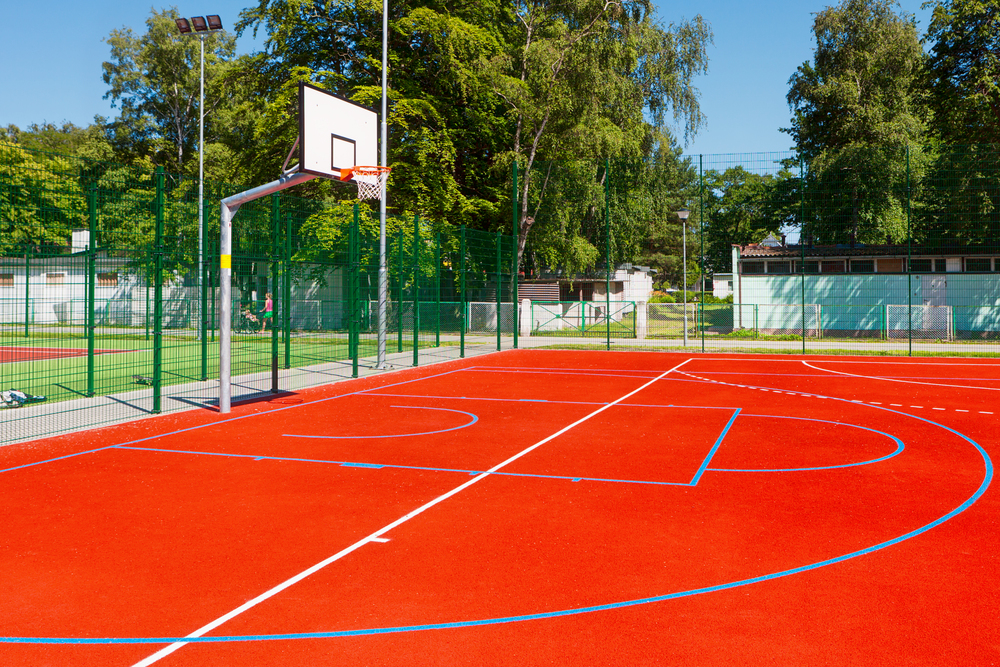
If you're putting in a sport court, one of the first hiccups you'll run across is deciding what type of surface material you need. If you're talking about a dedicated court, the answer's pretty simple; but what about your Philadelphia, PA multi-sport court surfacing? Making Sport Court Surfacing Choices for Philadelphia, PA Multi-Sport Use more 1. Player Safety Comes First The first and most important consideration is the safety of the players. If you get the proper grip on the court surface, this will minimize slips and falls, especially after rain. But you also want materials that can absorb shock well enough to protect player joints. Whatever you decide upon, always keep safety as your number one consideration. 2. Weather Matters If your court is outdoors, then it's constantly exposed to weather and extreme changes in weather. During the summer, it might be exposed to intense sunlight, and those UV rays are going to degrade the surface. You can mitigate this somewhat with the right tree cover, but what you can't really mitigate is rain or frost. So whatever material you choose, it has to be able to handle these kinds of extreme conditions if it's outdoors, and you'll also want to be sure to put in proper drainage. 3. Consider Pros and Cons of Different Materials Asphalt Asphalt is a very popular choice. It's cheap, it's flexible, and it's got good grip. On the downside, you will have to upkeep it constantly to prevent cracks, and if you don't do this, those cracks will soon become holes, and pretty soon you'll have a useless court. Concrete Concrete is another popular choice, especially for durability. It lasts, which is really its main plus, and if you put some protective layers over the top of it, you can get good grip. However, it's definitely not good for impact sports. If you anticipate players using it for impact sports regularly, then you'll want to add some cushioning layers on top. Polyurethane Polyurethane is best for indoor courts. It's not particularly suitable for the outdoors, but if your court is inside, this might be the best choice because of its shock-absorbing ability and overall durability and comfort. Artificial Turf Artificial turf is meant to replicate the feel of grass but without any of the intense care that goes into trying to keep grass growing. The downside is that artificial turf can sometimes be too grippy, and with the wrong shoes, your football, field hockey, or soccer players are likely to see more twisted ankles and damaged knees. Getting the right shoes does help deal with this, and the good news is that turf is a very cushioned surface if you're dealing with sports that involve a lot of falls. Acrylic Acrylic works both indoors and outdoors and is popular with tennis and basketball courts. It can be made in whatever color you like, it's really quite durable, and it offers decent grip and pretty good cushioning. For help in choosing wisely for your sport court, contact PowerSurge Plus in Lansdale, PA. We've been serving Philly, all of PA, and the larger tri-state area since 1998.

we do commercial sealcoating in Philadelphia PA

What Are the Advantages of Using Coal Tar Sealer for Commercial Sealcoating?

Commercial sealcoating is a critical maintenance practice that makes a huge difference to the longevity of your pavement in high-traffic areas. The process involves applying a protective layer over your asphalt to shield it, and there are various options available for doing this. Coal tar sealer is a great choice and has been a staple in the industry since before World War II. Your Philadelphia, PA sealcoating and paving experts can tell you more about application specifically to your pavement. What Are the Advantages of Using Coal Tar Sealer for Commercial Sealcoating? more It's Long-Lasting One of the primary advantages of coal tar sealer is how long it lasts. It's perfect for commercial pavement that has to endure constant stress. Coal tar forms a hard, durable film that can withstand heavy traffic without cracking or wearing away prematurely. In fact, it can often go three to five years: or even longer if you choose a premium formula. Compare that to asphalt emulsion sealers, which typically last only two to three years! This extended lifespan means you have fewer disruptions, fewer repairs, lower long-term costs, and less frequent replacement of the whole surface. It's Great Protection Another key benefit is coal tar sealer's superior resistance to everything you want to protect your pavement from. It doesn't let fuels, oils, or chemicals get through, which makes it especially valuable in commercial environments where spills can happen. Since the sealant is derived from coal tar pitch, it's outstanding at resisting fuel penetration in particular. And, unlike asphalt-based sealers, which often require putting in additives to get anything like a similar level of protection, coal tar inherently repels all these substances. Additionally, it holds up better than asphalt against ultraviolet (UV) rays. It Looks Good! Aesthetically, coal tar sealer just has a nice look. It provides a deep, rich black finish that makes parking lots look newly paved. It improves your curb appeal and potentially attracts more customers to your professional-looking space. This dark hue is more consistent and longer-lasting than the matte finish you get with asphalt emulsion sealers. This dark aesthetic doesn't compromise functionality, either. In fact, the color retention helps with heat absorption, which can help snow to melt more quickly. Coal tar sealer excels in any climate, but it's especially useful in places like Philly, where we get freeze-thaw cycles. That's because it performs better than asphalt emulsion in low temperatures by resisting cracking from expansion and contraction. With fewer cracks, you get less of the water infiltration that can rip your pavement apart. It's a Cost-Saver Coal tar sealer offers significant savings because of its longevity and reduced maintenance requirements, so though the initial application costs are about the same as with other sealants, given the longer lifespan and the way it protects, you have lowered labor and material costs over time. Our Sealcoating in Philadelphia Want to see if coal tar is the right sealant for your property? Call us today at PowerSurge Plus in Montgomeryville, PA. We serve Philly, all of PA, and the whole tri-state area.

King of Prussia Parking Lot Line Striping Service.

What Safety Standards Should Be Followed for Line Striping in Parking Lots?

If your parking lot needs line striping, it's important to work with a qualified King of Prussia, PA asphalt maintenance company that knows all the local regulations as well as federal law. There are a number of important safety standards you should keep in mind as you stripe out your parking lot. Line Striping: Safety Considerations more Plan in Advance Lines stripping is not something you just do suddenly. The first step is to design your parking lot to maximize your space while also ensuring that there's good traffic flow and you've met all the legal standards required by the ADA and local regulations. You should measure out the total area and then calculate the number of parking spaces you hope to put in. The ADA requires you to have at least one accessible space for every 25 standard spaces that you have, and if you only have one accessible space, it must be van accessible. When you talk to us, we can help you optimize your layout so that your parking stalls, driving aisles, areas for disabled parking, pedestrian walkways, and all the points for coming in and out of the parking lot are carefully designed. Angled parking is usually recommended when you expect high turnover, as it results in better traffic flow. You will also want to think through local regulations. Standard spaces in King of Prussia have to be 8.5 feet wide and 20 feet deep, though you can decrease the depth to 18 feet if you're doing angled spaces. The minimum width of your aisle has to be 10 feet for one-way parking aisles and 20 feet for two-way. Compact spaces can be just 8 feet wide and 16 feet deep, but you'll need to label them as such. If your parking lot is for a building where only those 60 and older are permitted to live, then your minimum width is 10. Choose the Right King of Prussia, PA Striping Company for Quality Techniques The next thing to consider is who you're hiring to do the job, because you want everything to be visible, durable, and not need constant touch-ups. The company you work with should offer durable and reflective paint that's designed specifically to go on asphalt or concrete and should explain to you that it's best to apply paint when the weather is between 45 and 85°F. If it's colder or warmer than that, you may have trouble with the paint properly adhering to the surface, and that means you'll just have to paint again soon. Plan for Longevity If you keep up with your parking lot, you'll save money in the long run. Every 6 to 12 months, look for cracks or peeling paint, and plan to re-stripe at least once every two years. Before you begin stripping, power wash the lot and make sure that any potholes are filled in. This will give you the best shot at getting the longest life out of your striping. For help with your parking lot in King of Prussia, or anywhere in Montgomery County call PowerSurge Plus. We've served PA and the tri-state area since 1998.

Philidelphia Sign Installation Laws

What Are the Legal Requirements for Installing Road Signs in a New Development Area?

New developments need signs, but before you move forward with the installation process, you need to learn the legal requirements associated with sign installation in Montgomery County, PA, or work with a company that already does. That way, you can ensure you jump through all the right hoops and get all the approvals you need so that you don't end up wasting time and money on signs that don't meet code. more Sign Installation in Montgomery County, PA: What Are the Legal Requirements for Installing Road Signs in a New Development Area? Getting the Right Permits The first step in the approval process for installing signs in a new development is obtaining the required permits. You'll need to get a building and a zoning permit for your signs. The permit application requires pertinent details about the scope of the work. You can apply for these permits online or in person at an appointment with the Permit and License Center in Philadelphia. You'll also have the option of scheduling a virtual appointment if you need help with the permit application. You can find out more about any associated application fees based on the type of signs you plan to install, so you can plan accordingly. The Zoning Permit Zoning permits for signs are issued and approved by the Department of Licenses and Inspections. There are specific rules set by the Philadelphia zoning code regarding the sign location, size, type, and height. You'll also have to adhere to all rules regarding any illumination or lighting around the sign and the number of signs installed in the area. Philadelphia Art Commission Approval Depending on the location of the development, you may also need to get approval from the Philadelphia Art Commission before installing signs. The department will review your proposal regarding your sign images and locations. The application process requires a cover letter with a detailed description of the type of signs you plan to install, their dimensions, and what materials they're made of. You'll also need to provide information about the contact person for the development, photographs of the site and the surrounding area, and renderings of the signage you wish to install. Sign Regulations Aside from getting the right approvals, you'll need to ensure that all of your signs meet Montgomery County sign regulation codes. Signs must be made of specific materials to ensure optimal reflectivity, clarity, and safety, and be within certain dimensions. When you begin this process, the appropriate departments will provide more information about the exact details of signage requirements so that you can order the right type of signs for the development the first time. If you're planning on installing road signs in a new development and want to streamline the process with a company that specializes in signage installation, we can help. We can install ADA-compliant signs, directional signage, custom parking lot signs, regulatory signs, and more. We'll help simplify the process and ensure your signs adhere to city codes. Contact us today at Power Surge Plus, LLC in Montgomeryville, PA, to get your quote.

Worried about water damage to your asphalt? Learn 5 tips to protect your driveway or parking lot in Philadelphia, PA—including sealcoating, drainage, and more.

What Are the Best Practices for Preventing Water Damage After Asphalt Repairs?

Did you know that Philadelphia, PA, receives about 48" of rainfall each year, more than nine inches above the U.S. average of 38"? All that moisture can wreak havoc on asphalt, whether it's a residential driveway or commercial parking lot. If you just invested in asphalt repair, we've got the best tips to help prevent further problems due to water damage. Prevention is key! more How to Keep Water from Damaging Your Asphalt Pavement: 5 Best Tips 1. Create Proper Drainage Channels Do you notice pools or puddles of water on your asphalt after a rainstorm? Standing water slowly but surely damages pavement by seeping into the cracks and creating structural erosion. Ensure adequate drainage for water by creating channels for smooth outflow or installing gutters or trench drains. 2. Protect Against Moisture with Sealcoating Investing in a superior quality asphalt sealcoat is one of the most effective ways to prevent pavement deterioration and damage, particularly after a fresh repair. Asphalt is porous, and sealcoating fills in those pores, creating a protective layer. With the added protection of sealcoat, you can prevent issues like water, engine oil, UV rays, and other substances that can seep below the top layer and erode the subbase. Plus, it protects against harmful UV rays that cause fading, allowing the pavement to retain its beautiful dark color for longer. 3. Use a Waterproofing Agent for Maximum Protection Even if you already have sealcoating, why not double up and apply a waterproofing agent to your pavement as well? This extra defense layer can easily withstand the temperature cycles, vehicle wear and tear, and rainfall that can produce so much damage to pavement. Waterproofing agents help bridge cracks that can flex with temperature changes, and joint sealant prevents water from infiltrating the surface and reaching lower layers, where it can create serious structural damage. 4. Schedule Routine Asphalt Maintenance Services One of the most important practices when it comes to protecting your asphalt driveway from water damage is preventative maintenance. This includes routine services like inspection and cleaning. Check for red flags that can indicate early problems, including: Minor cracks Potholes Broken asphalt Edge deterioration Soft or sticky surfaces 5. Call PowerSurge Plus LLC for Asphalt Repair in Philadelphia, PA While these practices will help slow down the damaging effects of water and moisture to pavement, there's no foolproof way to make asphalt last forever. When you notice small issues like the ones listed above, don't hesitate to call the professionals here at PowerSurge Plus LLC. We offer a range of critical asphalt and pavement repair services, including crack sealing, pothole repairs, preventative services, patchwork, and more. No matter how small or large the repair area, our team has the skills to make your pavement look brand new again. We're experienced with both residential and commercial asphalt projects, from inspection and maintenance to sealcoating and repair services. Call PowerSurge Plus LLC now at (267) 827-2981 to book an estimate with our team, proudly serving Philadelphia and all of Bucks and Montgomery Counties.

How to Ensure ADA Compliance in Line Striping in Philadelphia Parking Facilities

A parking lot should be accessible by everyone, including drivers with disabilities. The Americans with Disabilities Act (ADA) has guidelines that specify how a parking lot can be made inclusive and how many accessible spots should be provided. There are multiple factors that make a parking space accessible, so it's essential to use an experienced company for line striping in Philadelphia that understands the ADA. more How to Ensure ADA Compliance for Line Striping in Philadelphia Parking Facilities Understanding ADA Requirements Every parking lot in Philadelphia has a legal obligation to comply with the ADA guidelines. These cover every aspect of using a parking lot, including the requirements for line striping. Some of the factors a line striping company must consider include: Correct Number of Spaces The number of accessible spaces you must provide largely depends on the size of your parking lot. The bigger your parking lot, the more accessible spaces must be included. For example, if your parking lot has 26–50 spaces, you must include two accessible spaces. In addition, for every six accessible spaces, one must be suitable for vans. Proper Dimensions Accessible spaces must meet the ADA measurements to ensure there's sufficient space for wheelchairs and other mobility aids to be used. Car spaces must be at least 8 feet wide and van spaces must be 11 feet wide. All accessible spaces should be clearly marked with the International Symbol of Access. This is usually a blue square with a white wheelchair symbol painted over it. Access Aisles There must be an access aisle adjacent to every space, which must also meet ADA-prescribed dimensions. The access aisles for cars and vans must be 5 feet and 8 feet respectively. This ensures that there is sufficient room for wheelchairs or other mobility aids to be used when entering or exiting the vehicle without endangering the individual. Access aisles must be clearly marked, typically with hatching, to prevent other drivers from parking there. A single access aisle can be shared by a parking space on either side Appropriate Surface To be accessible, spaces should be on a firm and slip-resistant surface. They should also be level, with a slope of no more than 1:48 in all directions. This means that for every 48 inches, the ground must not rise by more than one inch. When line striping, it's important to consider whether the ground meets these requirements. This includes checking for any cracks or potholes in the surface that would render the space non-compliant. The Importance of Using Professional Line Striping Services Without professional training, it's easy to inadvertently breach the regulations, especially if they have recently changed. A line striping company will be up-to-date with both ADA and Pennsylvania requirements, and will use industrial-grade paint to prevent the lines from prematurely fading. This ensures your parking lot will remain compliant until your next resurfacing. We are committed to providing a high-quality service to all our customers throughout Pennsylvania, Delaware, and New Jersey. To get your free quote today, contact us at Powersurge Plus in Lansdale, PA.

Learn how to schedule commercial sealcoating in Philadelphia, PA, to protect your asphalt, reduce costly repairs, and minimize business disruptions. Discover tips, timing advice, and what to expect from the process.

How to Schedule Sealcoating to Minimize Disruption to Business Operations

If you need to schedule commercial sealcoating to preserve your asphalt surface at your business in Philadelphia, PA, it's important that you choose the right professionals to complete the job to ensure the highest quality work and most aesthetic results. Professional sealcoating will protect your asphalt surface and your investment, while also preventing you from having to complete costly repairs sooner than necessary. more How To Schedule Commercial Sealcoating in Philadelphia, PA To Minimize Disruption to Business Operations After finding a reputable company that offers professional sealcoating services, you'll need to schedule your appointment at a time that allows you to minimize disruption to your overall business operations. The parking lot or attached asphalt surface will need to be cleared of all vehicles before the sealcoating process begins, and must remain closed off during and after the sealcoating has been completed. The process itself can interfere with business operations, which is why it's best to schedule this service at a time when your business is closed or not during peak business hours. Other Considerations Aside from business operations, weather plays a role in the sealcoating process. The best time to schedule this service is during the warmer months so that the sealant can cure and adhere to the asphalt, and you can enjoy long-lasting results. Professionals typically recommend that businesses schedule this service between late spring and early fall. What Does the Sealcoating Process Entail? Asphalt contractors will tailor the sealcoating process to your business's needs to ensure this service meets the requirements of your property. The process begins with an assessment, during which contractors will arrive at your business and inspect your asphalt surface to customize a sealcoating plan. Then, they will prepare the area by cleaning the asphalt to rid it of any dirt, debris, or oil stains that could prevent the sealant from adhering to the asphalt. Cracks will be filled, vegetation will be removed, and any damage will be repaired before the sealant is applied. Once the surface is ready, the contractors will apply premium-grade sealant to the asphalt surface and use specialized techniques to ensure a uniform application. How Long Does the Curing Process Take? After professional sealcoating, the asphalt surface needs adequate time to cure. This process can take 24 to 48 hours. During this time, it must remain closed off to vehicles and pedestrians to ensure proper drying. The 24 to 48-hour timeframe allows for the sealcoat to adhere to the asphalt. Using the parking lot or surface before the sealcoat completely cures can result in tire marks, uneven curing, peeling, and damage that will lead to costly repairs sooner than necessary. What Are the Benefits of Professional Sealcoating? Professional sealcoating will improve your business aesthetics and value, and help you protect your investment in your asphalt surface. A high-quality sealant will make your asphalt last longer, give it a polished finish, and prevent oxidation. If you need to schedule sealcoating to protect the asphalt surface at your commercial property, we can help. We specialize in residential and commercial asphalt installation, maintenance, sealcoating, repairs, and more. Contact us today at PowerSurge Plus LLC in Montgomeryville, PA, to learn more about our services and to get a quote.

Contact Us

Fill out this form below and we'll contact you shortly
*Required Fields