Blog / Montgomeryville Service

How Often Should Parking Lot Lines in Philadelphia, PA, Be Repainted for Optimal Visibility?

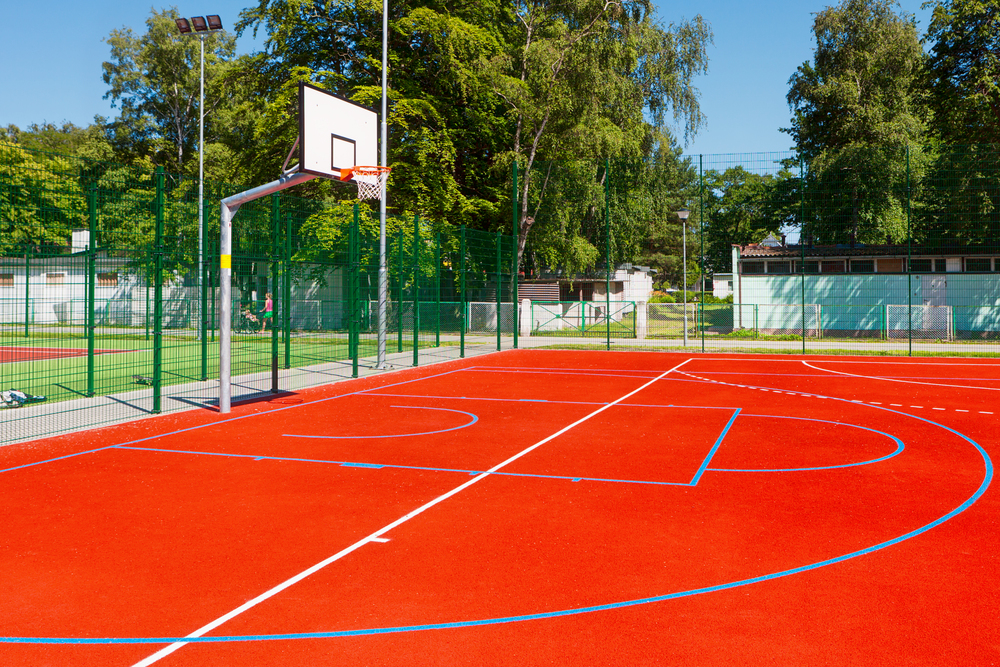
Parking lot lines, stripes, and markings are important because they provide directions for pedestrians and drivers within the lot. Visible lines prevent accidents and poor parking and ensure maximum parking lot efficiency. The easiest way to achieve optimal visibility is to schedule regular repainting and line striping services. That way, you can feel confident that your parking lot stripes, markings, and lines in Philadelphia, PA, are easily seen to ensure the safety of everyone who enters. Here's guide to how often should parking lot lines be repainted for optimal visibility.

The paint used for parking lot lines, stripes, and markings is made with high-quality materials and is designed to last. However, these lines will experience significant wear and tear over time due to weather, heat, cold, sun exposure, vehicle weight, and traffic. Even though the materials used to create the lines are long-lasting, they won't last forever, which is why re-striping is such an important aspect of overall parking lot preventative maintenance.

Parking lot lines should be professionally evaluated annually or at least every 18 to 24 months and repainted to promote the safest parking experience and ensure drivers and motorcyclists can clearly see the lines and park accordingly.

Why Visible Parking Lot Markings Matter

Aside from ensuring a clean and pristine parking lot, bright and highly visible parking lot lines, stripes, and markings are important for safety reasons. When these lines fade over time due to water, sun exposure, or heavy traffic, it will become more difficult for drivers to adhere to parking and safety guidelines. Without high visibility, your lot won't be completely utilized, and you'll have to deal with improper parking jobs.

When you invest in regular re-striping services, you can promote safety by reducing the occurrence of accidents and poor parking jobs. Additionally, as a commercial property owner, you're responsible for accidents resulting from faded line stripes in your parking lot. Therefore, it's imperative that you schedule restriping services annually or every 18 to 24 months to avoid liability in the event of an accident that results from poor visibility in your lot.

What Should I Expect From the Line Striping Process?

When you schedule parking lot repainting services with PowerSurge Plus, LLC, you can expect the highest-quality work and a customer-centered experience. Our experienced painters always use the best products to restripe parking lots to ensure the longest-lasting results. We also complete the job quickly and efficiently to reduce downtime and prevent inconveniences that can affect customers and negatively impact your business.

Our team knows all the city codes and ADA guidelines for parking lots, so you can expect an efficient and thorough process that optimizes overall parking space, improves safety and visibility, and prevents you from getting city fines due to incidental noncompliance with any ADA regulations.

If you want to learn more about our services or are ready to schedule line restriping in your parking lot, we can help. Contact us today at PowerSurge Plus, LLC in Montgomeryville, PA, to get your free quote and proceed with the restriping process.
Posted in:

Related Posts

driveway sealing company in Montgomeryville, PA.

How Can Suburban Property Owners Protect Their Driveways from Seasonal Wear?

For suburban property owners in Montgomeryville, PA, staying ahead on asphalt maintenance helps driveways stand up against the seasonal wear and tear we get here. Our freeze-thaw cycles, summer heat, spring rains, and fall leaf cover all take their turn hammering your pavement, but you can keep damage in check with consistent care. Protecting Your Montgomeryville, PA Driveway Inspect It more Start by getting into the habit of walking your driveway every few months and looking for things like surface fading, minor cracking, or areas where water is pooling after rain. These small clues tell you the pavement is starting to break down. Clean It Use a stiff broom or leaf blower to clear away dirt, leaves, and gravel that can trap moisture or grind into the surface over time. A quick hose-down removes oil stains or salt residue before they eat away at the binder in the asphalt. Sealcoat It We'd recommend applying a fresh sealcoat every two to three years, ideally in late spring or early fall. This coating is a shield that blocks ultraviolet rays and fills in any tiny surface voids so water can't get in. Treat It Carefully If you handle snow removal yourself in winter, stick to plastic shovels or snow blowers with rubber blades. Metal shovels can chip the surface and create entry points for future damage. When choosing de-icers, go easy on that rock salt, as it's very hard on asphalt. Safer options like calcium magnesium acetate or plain sand will give you some traction without harming the pavement as much. In hot summer weather, avoid making sharp turns or letting heavy vehicles sit in the same spot for long periods. The asphalt softens under the heat and can develop ruts or depressions. Address Seasonal Wear Winters here can bring repeated freeze-thaw cycles that pry open small cracks in your pavement and break them open into big holes. You can combat this a bit by removing snow as soon as it falls rather than letting it pack down and melt slowly. Once the melt hits, sweep away any remaining sand or salt as soon as you're able. In summer, the heat bakes the oils out of the asphalt, and the only real way to protect against this is with a fresh sealcoat. Fall is the perfect window for one last deep clean. Rake away leaves immediately, as wet leaves hold moisture against the pavement and can stain or soften it in spots. Check for any low spots where water might collect and add a bit of fill or adjust the grading if it's needed. Call Us for Quality Asphalt Maintenance Ready to stop those small openings before they grow? Contact us at PowerSurge Plus today. Our local knowledge of this region and its weather, plus our experience and flexible approach that fits around your schedule, will ensure your pavement stays in great shape year after year. We serve all of Bucks and Montgomery Counties, Philly, and the entire Jersey, Delaware, and Pennsylvania regions.

Asphalt Patch Work Contractors in Philadelphia County.

What Are the Most Durable Materials for Asphalt Patch Work in High-Traffic Areas?

Doing asphalt patch work in high-traffic areas requires using materials that can handle constant, heavy loads as well as the environmental stresses we get here in Philadelphia, PA, like temperature fluctuations. The Most Durable Materials for Asphalt Patch Work in Philadelphia, PA more 1. Hot Mix Asphalt This is a heated blend of asphalt binder and aggregates that's applied while hot. The heat lets it bond with existing pavement, and this makes the repair particularly strong. HMA is resistant to deformation under heavy traffic and is the best choice for permanent repairs. It can last 15–30 years with proper application and is less prone to cracking or rutting compared to colder alternatives. HMA highly recommended for areas with temperature fluctuations, too, as it creates a smooth, resilient surface that can also handle thermal expansion. The main downside here is that you'll need professional equipment to do a hot patch, and the project is also weather-dependent. It's best to apply it only in dry, warm conditions, meaning if you have a mid-winter emergency need, this might not be the choice. 2. Polymer-Modified Asphalt This is a specialized mix of polymers that's added to standard asphalt to enhance its properties. It offers greater flexibility, water resistance, and adhesion and gives you patches that are more resistant to cracking, weathering, and heavy loads. This material can actually extend patch life significantly over just using traditional asphalt. It's excellent for harsh environments or high-volume areas, and it reduces rutting and provides a stronger bond for the hot patch. The main drawback is cost: expect this to cost noticeably more than basic asphalt. 3. Cold Mix Asphalt with Polymer Additives This patch is a pre-mixed, room-temperature asphalt that includes polymer adhesives for better curing and bonding. It's not going to last as long as hot mixes, but, on the plus side, polymer-enhanced cold patches harden quickly and resist water and temperature changes. The best time to use this for a high-traffic area is when you are constrained by weather, as this patch offers quick fixes in any weather. It's generally less durable than hot options for extreme high-traffic and best used as a temporary or supplementary solution. When you choose your patch material, be sure to consider factors like our climate, the overall traffic volume you have to deal with, and your budget. For the most durable results in places that see a lot of traffic, we're usually going to recommend that you go with hot asphalt or even a polymer-modified option, as they are the most durable solutions and offer the best performance. However, a lot is going to depend on the weather, your budget, and the urgency of the repair. For a fast fix, a cold patch might be just the thing. Whatever your needs, call us now at PowerSurge Plus for a quote. We're full-service residential and commercial asphalt maintenance contractors who've been servicing Philadelphia, PA, and the whole tri-state area since 1998.

crack sealing for pavement in Lansdale, PA

How Can You Stop Small Openings from Becoming Major Headaches in Your Pavement?

Small openings in your pavement might seem like a minor issue, but if you'll get them taken care of right away with crack sealing and asphalt repair, you'll actually prevent bigger problems down the road. Water slips into those gaps, expands when it freezes, and turns hairline cracks into potholes or crumbling sections before you know it. The Benefits of Crack Sealing Your Pavement more Crack sealing works best when you catch the openings early. Hairline cracks, which are those thin lines no wider than a credit card, are the easiest to handle. Start by cleaning them thoroughly using a wire brush or compressed air to remove dirt, loose debris, and old vegetation. Any moisture left inside will keep the sealant from bonding, so wait for a dry day or use a heat gun or blower to make sure the crack is bone-dry. Professional-grade sealants come in two main types: hot-pour rubberized material and cold-applied options. Hot-pour gives the best flexibility and waterproofing because it melts into the crack and expands and contracts with the pavement. The process involves routing the crack slightly wider and deeper first, then pouring or applying the sealant so it sits just below the surface. This creates a flexible barrier that keeps water out while allowing the pavement to move naturally with temperature changes. When Asphalt Repair Becomes the Right Move Sometimes cracks grow beyond what sealant can handle. Alligator cracking is where the surface looks like dried mud with a web of interconnected lines, and if you see that or larger isolated cracks wider than half an inch, you've got deeper trouble than simple DIY sealing can handle. At that point, you'll need some patching and repairing from a professional. Your asphalt pros will cut out the damaged section in a clean rectangle or square, remove the loose material down to a solid base, then refill it with a fresh hot-mix asphalt and compact it in layers. The edges bond tightly to the surrounding pavement. Patching works well for potholes too. If you try a quick DIY fix with a cold patch, it might buy you time through one season, but can't last as long as a properly installed hot-mix repair. Aftercare After any repair, whether sealing or patching, getting a fresh sealcoat put over the whole surface helps blend the new work with the old and adds an extra layer of protection. You'll also want to keep traffic off the sealed pavement for a full day and move sprinklers away so they don't spray the fresh surface. Watch for any warning signs that small openings are turning serious. If you see water bubbling up through cracks after rain, feel a soft spot underfoot, or notice your car pulling slightly to one side when you drive over an area, those are clues the base layers might be losing support. If you get that fixed quickly, it can save you from having to redo the driveway sooner. Ready to stop those small openings before they get too big? Talk to us today at PowerSurge Plus about all your pavement needs. We serve all of PA, Delaware, and New Jersey, including Philadelphia and the Bucks and Montgomery County areas.