
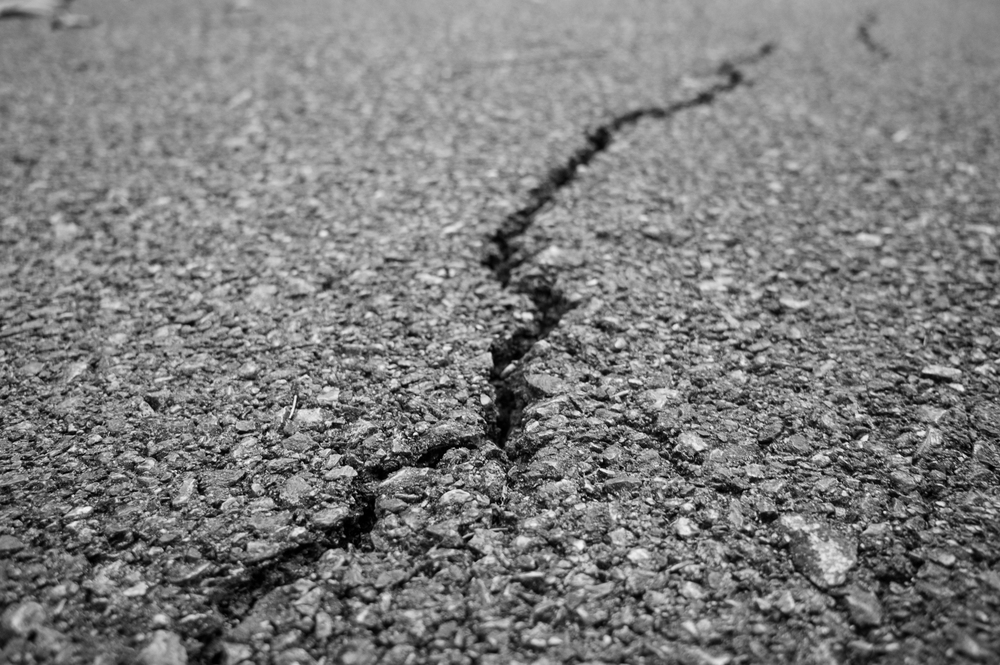
Small openings in your pavement might seem like a minor issue, but if you’ll get them taken care of right away with crack sealing and asphalt repair, you’ll actually prevent bigger problems down the road. Water slips into those gaps, expands when it freezes, and turns hairline cracks into potholes or crumbling sections before you know it.
The Benefits of Crack Sealing Your Pavement
Crack sealing works best when you catch the openings early. Hairline cracks, which are those thin lines no wider than a credit card, are the easiest to handle. Start by cleaning them thoroughly using a wire brush or compressed air to remove dirt, loose debris, and old vegetation. Any moisture left inside will keep the sealant from bonding, so wait for a dry day or use a heat gun or blower to make sure the crack is bone-dry.
Professional-grade sealants come in two main types: hot-pour rubberized material and cold-applied options. Hot-pour gives the best flexibility and waterproofing because it melts into the crack and expands and contracts with the pavement. The process involves routing the crack slightly wider and deeper first, then pouring or applying the sealant so it sits just below the surface. This creates a flexible barrier that keeps water out while allowing the pavement to move naturally with temperature changes.
When Asphalt Repair Becomes the Right Move
Sometimes cracks grow beyond what sealant can handle. Alligator cracking is where the surface looks like dried mud with a web of interconnected lines, and if you see that or larger isolated cracks wider than half an inch, you’ve got deeper trouble than simple DIY sealing can handle. At that point, you’ll need some patching and repairing from a professional.
Your asphalt pros will cut out the damaged section in a clean rectangle or square, remove the loose material down to a solid base, then refill it with a fresh hot-mix asphalt and compact it in layers. The edges bond tightly to the surrounding pavement. Patching works well for potholes too. If you try a quick DIY fix with a cold patch, it might buy you time through one season, but can’t last as long as a properly installed hot-mix repair.
Aftercare
After any repair, whether sealing or patching, getting a fresh sealcoat put over the whole surface helps blend the new work with the old and adds an extra layer of protection. You’ll also want to keep traffic off the sealed pavement for a full day and move sprinklers away so they don’t spray the fresh surface.
Watch for any warning signs that small openings are turning serious. If you see water bubbling up through cracks after rain, feel a soft spot underfoot, or notice your car pulling slightly to one side when you drive over an area, those are clues the base layers might be losing support. If you get that fixed quickly, it can save you from having to redo the driveway sooner.
Ready to stop those small openings before they get too big? Talk to us today at PowerSurge Plus about all your pavement needs. We serve all of PA, Delaware, and New Jersey, including Philadelphia and the Bucks and Montgomery County areas.
Connect with us


- June 2026
- May 2026
- April 2026
- March 2026
- January 2026
- December 2025
- October 2025
- September 2025
- June 2025
- May 2025
- April 2025
- March 2025
- February 2025
- January 2025
- December 2024
- October 2024
- September 2024
- August 2024
- July 2024
- June 2024
- May 2024
- April 2023
- December 2022
- November 2022
- October 2022
- September 2022
- August 2022
- July 2022
- June 2022
- May 2022
- April 2022
- March 2022
- February 2022
- January 2022
- December 2021
- November 2021
- October 2021
- September 2021
- August 2021
- July 2021
- June 2021
- May 2021
- April 2021
- March 2021
- February 2021
Archives

Full-Service Residential & Commercial Asphalt Maintenance Contractors Serving PA & The Tri-State Area Since 1998
Proudly Powered By:

Information
- P.O. Box 247,
Montgomeryville, PA 18936
Follow Us:
| Hours | |
|---|---|
| Monday | 9:00AM - 5:00PM |
| Tuesday | 9:00AM - 5:00PM |
| Wednesday | 9:00AM - 5:00PM |
| Thursday | 9:00AM - 5:00PM |
| Friday | 9:00AM - 5:00PM |
| Saturday | 9:00AM - 5:00PM |
| Sunday | Closed |