
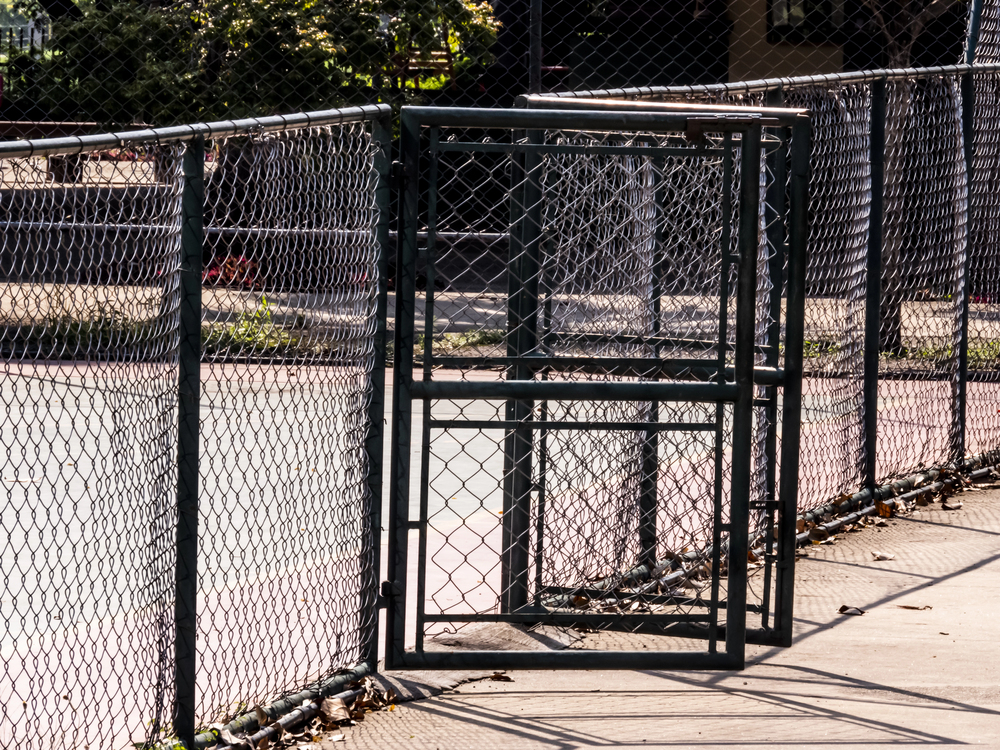
If you’re putting in a sport court, one of the first hiccups you’ll run across is deciding what type of surface material you need. If you’re talking about a dedicated court, the answer’s pretty simple; but what about your Philadelphia, PA multi-sport court surfacing?
Making Sport Court Surfacing Choices for Philadelphia, PA Multi-Sport Use
1. Player Safety Comes First
The first and most important consideration is the safety of the players. If you get the proper grip on the court surface, this will minimize slips and falls, especially after rain. But you also want materials that can absorb shock well enough to protect player joints. Whatever you decide upon, always keep safety as your number one consideration.
2. Weather Matters
If your court is outdoors, then it’s constantly exposed to weather and extreme changes in weather. During the summer, it might be exposed to intense sunlight, and those UV rays are going to degrade the surface.
You can mitigate this somewhat with the right tree cover, but what you can’t really mitigate is rain or frost. So whatever material you choose, it has to be able to handle these kinds of extreme conditions if it’s outdoors, and you’ll also want to be sure to put in proper drainage.
3. Consider Pros and Cons of Different Materials
Asphalt
Asphalt is a very popular choice. It’s cheap, it’s flexible, and it’s got good grip. On the downside, you will have to upkeep it constantly to prevent cracks, and if you don’t do this, those cracks will soon become holes, and pretty soon you’ll have a useless court.
Concrete
Concrete is another popular choice, especially for durability. It lasts, which is really its main plus, and if you put some protective layers over the top of it, you can get good grip. However, it’s definitely not good for impact sports. If you anticipate players using it for impact sports regularly, then you’ll want to add some cushioning layers on top.
Polyurethane
Polyurethane is best for indoor courts. It’s not particularly suitable for the outdoors, but if your court is inside, this might be the best choice because of its shock-absorbing ability and overall durability and comfort.
Artificial Turf
Artificial turf is meant to replicate the feel of grass but without any of the intense care that goes into trying to keep grass growing. The downside is that artificial turf can sometimes be too grippy, and with the wrong shoes, your football, field hockey, or soccer players are likely to see more twisted ankles and damaged knees.
Getting the right shoes does help deal with this, and the good news is that turf is a very cushioned surface if you’re dealing with sports that involve a lot of falls.
Acrylic
Acrylic works both indoors and outdoors and is popular with tennis and basketball courts. It can be made in whatever color you like, it’s really quite durable, and it offers decent grip and pretty good cushioning.
For help in choosing wisely for your sport court, contact PowerSurge Plus in Lansdale, PA. We’ve been serving Philly, all of PA, and the larger tri-state area since 1998.
Connect with us


- June 2026
- May 2026
- April 2026
- March 2026
- January 2026
- December 2025
- October 2025
- September 2025
- June 2025
- May 2025
- April 2025
- March 2025
- February 2025
- January 2025
- December 2024
- October 2024
- September 2024
- August 2024
- July 2024
- June 2024
- May 2024
- April 2023
- December 2022
- November 2022
- October 2022
- September 2022
- August 2022
- July 2022
- June 2022
- May 2022
- April 2022
- March 2022
- February 2022
- January 2022
- December 2021
- November 2021
- October 2021
- September 2021
- August 2021
- July 2021
- June 2021
- May 2021
- April 2021
- March 2021
- February 2021
Archives

Full-Service Residential & Commercial Asphalt Maintenance Contractors Serving PA & The Tri-State Area Since 1998
Proudly Powered By:

Information
- P.O. Box 247,
Montgomeryville, PA 18936
Follow Us:
| Hours | |
|---|---|
| Monday | 9:00AM - 5:00PM |
| Tuesday | 9:00AM - 5:00PM |
| Wednesday | 9:00AM - 5:00PM |
| Thursday | 9:00AM - 5:00PM |
| Friday | 9:00AM - 5:00PM |
| Saturday | 9:00AM - 5:00PM |
| Sunday | Closed |